

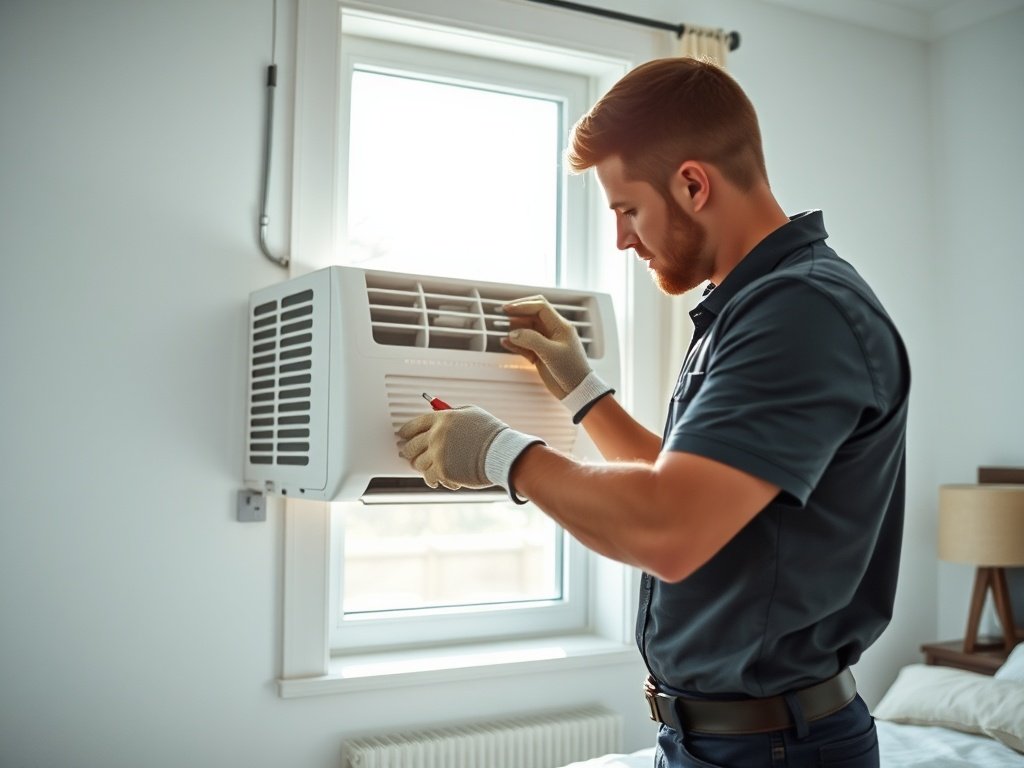
A window AC heat pump is a simple way to keep rooms comfortable year-round without installing a large HVAC system. That is where a window AC heat pump becomes useful. It provides both cooling and heating in one compact unit, making it a practical option for apartments, bedrooms, offices, garages, and other small spaces.
Unlike traditional window air conditioners that only cool the room, a window AC heat pump can switch between cooling and heating modes depending on the season. This makes it a flexible and energy-efficient solution for year-round indoor comfort.
What Is a Window AC Heat Pump?
A window AC heat pump is a type of window air conditioner that can both cool and heat a room. During hot weather, it works like a standard air conditioner, removing heat from the room. In colder months, the system reverses its operation and pulls heat from outdoor air to warm the indoor space.
In simple words, it is a 2-in-1 comfort system:
• Cooling during summer
• Heating during winter
Unlike electric heaters that generate heat directly, a heat pump transfers existing heat. This process usually makes it more energy efficient.
How a Window AC Heat Pump Works
A window AC heat pump changes its operation depending on the season.
During Summer
In cooling mode:
• The unit removes heat from inside the room
• The heat is pushed outdoors
• Cool air remains inside the space
This process helps maintain a comfortable indoor temperature during hot weather.
During Winter
In heating mode:
• The system reverses its operation
• It absorbs heat from outdoor air
• The heat is transferred indoors
Even cold outdoor air contains some heat energy, and the heat pump uses that energy to warm the room.
Main Parts Inside a Window AC Heat Pump
A window AC heat pump includes several important components that help it provide both heating and cooling.
Compressor
The compressor helps circulate refrigerant through the system.
Refrigerant
This substance absorbs and transfers heat between indoor and outdoor air.
Evaporator Coil
The evaporator coil helps absorb heat during the cooling operation.
Condenser Coil
The condenser coil releases or collects heat depending on the selected mode.
Reversing Valve
This is the key component that allows the system to switch between heating and cooling modes.
Benefits of a Window AC Heat Pump
Energy-Efficient Heating and Cooling
Heat pumps usually consume less electricity than many traditional electric heaters because they move heat instead of creating it.
Space-Saving Design
You get both heating and cooling in one compact window-mounted unit, which helps save indoor space.
Lower Installation Requirements
Unlike central HVAC systems, window AC heat pumps do not require extensive ductwork or large remodeling work.
Good for Small Areas
These units work especially well in:
• Bedrooms
• Apartments
• Offices
• Small homes
• Garages
Is a Window AC Heat Pump Worth It?
A window AC heat pump can be a smart option for homeowners who:
• Live in mild or moderate climates
• Want affordable heating and cooling
• Do not want central HVAC installation
• Need comfort for one room or a small area
These systems are especially helpful for homes without ductwork or for people looking for a simple, all-season comfort solution.
Step-by-Step Window AC Heat Pump Installation Process
Installing a window AC heat pump correctly is important for safety, energy efficiency, and long-term performance. A poorly installed unit can lead to air leaks, water damage, weak airflow, and higher electricity bills. Below is a simple step-by-step overview of how the installation process usually works.
Measuring the Window
The first step is checking the window size to make sure the unit fits properly. Measure:
* Window width
* Window height
* Window opening depth
Most manufacturers provide minimum and maximum window size requirements for their units. A proper fit helps prevent vibrations, air leakage, and installation problems later.
Choosing the Correct BTU Size
BTU stands for British Thermal Unit, which measures cooling and heating capacity. Choosing the wrong size can reduce efficiency and comfort.
* Small BTU units may struggle to heat or cool the room
* Oversized units may cycle on and off too frequently
The right BTU size usually depends on:
* Room size
* Ceiling height
* Sun exposure
* Insulation quality
* Number of occupants
Larger rooms generally require more BTUs for effective performance.
Preparing the Electrical Outlet
Before installation, check the electrical system carefully. Many window AC heat pumps require a dedicated outlet with proper voltage support.
Important checks include:
* Outlet condition
* Voltage compatibility
* Circuit capacity
* Grounding safety
Avoid using unsafe extension cords because they may create overheating or fire risks.
Mounting Bracket Setup
Many window heat pump units use support brackets for added stability. The bracket helps distribute the weight and prevents pressure damage on the window frame.
During this step:
* The bracket is attached securely
* Proper leveling is checked
* Weight support is tested
A stable bracket helps reduce vibrations and keeps the unit secure over time.
Securing the Unit
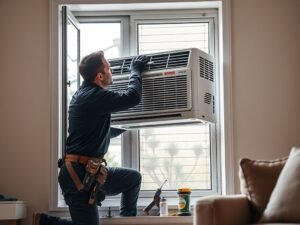
After the bracket is installed, the heat pump unit is carefully placed into the window opening.
The installer then:
* Centers the unit properly
* Secures side panels
* Locks the window frame into position
* Tightens mounting screws
This step is important for both safety and airflow performance.
Sealing Air Gaps
Air gaps around the unit can reduce efficiency and allow outside air, dust, moisture, or insects to enter the room.
Common sealing materials include:
* Foam insulation strips
* Weather sealing tape
* Side panel insulation
Proper sealing improves indoor comfort and helps reduce energy loss.
Drainage Positioning
Window AC heat pumps create condensation during operation. Correct drainage positioning helps prevent water leakage and moisture problems.
The unit is usually installed with a slight tilt toward the outside so water can drain properly.
Improper drainage may cause:
* Indoor leaks
* Mold growth
* Water damage
* Reduced system performance
Testing Heating and Cooling Modes
After installation is complete, the system should be tested in both cooling and heating modes.
The installer checks:
* Airflow strength
* Temperature performance
* Thermostat response
* Drainage function
* Noise levels
* Electrical safety
Testing both modes ensures the unit operates correctly throughout different seasons.
Why Proper Installation Matters
A correctly installed window AC heat pump can:
* Improve energy efficiency
* Reduce electricity costs
* Increase system lifespan
* Prevent water leakage
* Deliver better heating and cooling performance
Professional installation also helps homeowners avoid common DIY mistakes that may affect safety or warranty coverage.