

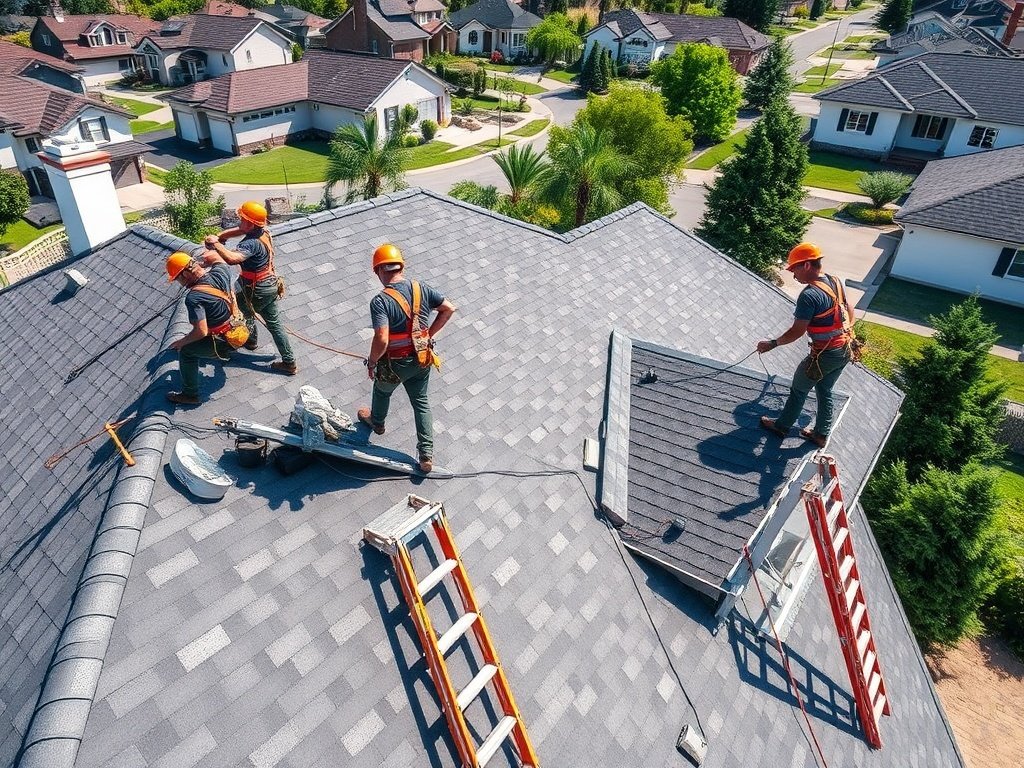
Roof replacements become essential when a roof reaches the end of its lifespan. Roofs require new replacements when the roofs begin to leak, become too old, or are ineffective in shielding the home. Many people wait too long because the little issues are not seen as a problem at first. A missing shingle, a water stain, or a little sagging can wait. Later, those problems become mold, insulation damage, soaring energy bills, and costly structural repairs.
A strong roof does not only cover a house. It protects your family, enhances efficiency, and contributes to maintaining property value. That is why professional replacement is important. They understand how to assess concealed damages, select appropriate materials, and create roofing systems tailored to withstand local climatic conditions. When professionals complete a roof replacement, they can see it as a long-term investment rather than an expense.
How Roof Replacements Increase Home Value
Buyers also think of a new roof as one of the first things they see. They make judgments about maintenance of the property based on external observations. There is some doubt when the roof is old. They start to wonder about leaks, future expenses, and insurance problems.
Curb appeal and buyer confidence can be bolstered, coupled with resale prices, by a professionally replaced roof. In many markets across the USA, homes with newer roofs tend to attract more serious interest. It is also helpful in inspections, during which roofing issues commonly hamper deals.
There is also the comfort factor to consider. There is also the comfort factor. Sometimes the real value is in peace of mind.
Common Signs You Need Roof Replacements
Failure of a roof is a rare case overnight. This is because roofs rarely fail overnight;
Missing or curling shingles are some of the common signs. Ceiling water stains can also show if there are hidden leaks. The accumulation of granules in gutters indicates deterioration of asphalt shingles. If the roof seems uneven or soft in certain locations, there is decking damage beneath the surface.
Age as well is a clue. Many roofs completely run their course after numerous years of effective and ineffective roofing under the sun, rain, snow, and wind. First, a clue is age: after years of baking in the sun and soaking rain, snow, and wind, many roofs have reached the end of their service life, and even if leaks have not started yet, the roof may already be weaker than it looks.
If you are still calling for repairs every new season, replacement is a more practical option.
Different Roof Types Found in the USA
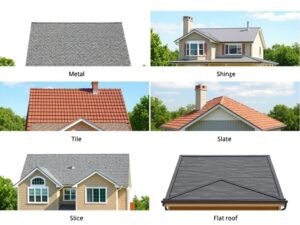
Asphalt Shingle Roof Replacements
Asphalt shingles are the most popular roofing material nationwide. They are cheap, offer many properties, and come with a wide range of color options. Considering replacement is usually simple, this makes the material popular with suburban homes. They fit well in many types of climate since several factors influence their lifespan, including weather conditions and maintenance practices.
Metal Roof Replacements
Metal roofing is durable and energy efficient. It reflects heat well and has the ability to last for several decades. Replacements require competent installers because panel alignment, the choice of fastening system, and the details of flashing are important. They are selected in storm or hot areas.
Tile Roof Replacements
Tile roofs are typical in the warmer states and by the coasts. Clay or concrete tile has a very premium look and long life. However, since tiles are heavy, the home structure must be able to support them. Replacement must be done with precision as broken tiles and inadequate spacing will result in future leaks.
Wood Shake Roof Replacements
A wood shake roof is “warm, natural look.” They have been used in the construction of cottages, cabins, and custom houses. The replacement process requires proper spacing and moisture regulation. They require maintenance, but they also can look beautiful when maintained well.
Flat Roof Replacements
Flat roofs are the most common for commercial buildings and some modern residential buildings. They do not use shingles but membranes or rolled systems. Drainage is essential. There should be a heavy focus on sealing sections that join one another, the slope correction, and finally, the water flow relevant to a flat roof replacement.
How Professional Roof Replacements Are Done
1. Inspection of Roof Before Replacement
First up, a comprehensive inspection is conducted for every quality project. Contractors look at shingles, flashing, decking, ventilation, gutters, and moisture damages. Such information can be used in creating suitable plans instead of making assumptions after work has begun.
A careful inspection also prevents surprise costs later on. That is important.
2. Tear-Off of Old Roofing System
Old materials are removed, allowing for inspection of the underlying structure. Rotting wood, fungi, and vulnerable spots by valleys and chimneys are all uncovered during this procedure.
Instead of layering over old roofing, removing old roofing procedures normally yields good long-term results.
3. Installing New Roofing Materials
Once the repairs are finished, a brand new roof system is installed. This system includes a few key components: the underlayment, drip edges, flashing, and of course, the actual roofing material that’s visible. If you securely fasten and properly align all these materials, it can make a huge difference in how well the roof functions. A well-installed roof system can help prevent leaks, reduce maintenance, and even improve the overall look of your home. Proper alignment and secure fastening are crucial to ensure the roof works as it should, keeping you dry and comfortable inside.
What really matters when it comes to a good roof isn’t the type of materials you use, but how well you put them in. If you install them right, the materials will last a long time. A good installation can make all the difference in how well your roof holds up to the elements.
4. Ventilation and Underlayment Upgrades
Many houses face issues with air circulation in the attic, which can trap heat and moisture. This can lead to a shorter lifespan for the roof and higher cooling costs. When it’s time to replace the roof, professional roofers usually make improvements to the ridge vents, intake vents, and insulation balance to help fix these problems. By doing this, they can help keep the attic cooler and drier, which can make the roof last longer and save energy. It’s an important part of keeping a house comfortable and efficient.
The underlayment is also very important. It provides a layer of protection against moisture under the main roof covering and helps keep the roof safe during storms.
Conclusion
Roof issues don’t magically fix themselves over time. In fact, what begins as a small leak can quickly escalate into a much bigger problem, like damaged ceilings, weakened decking, or even mold growing inside your walls. That’s why it’s so important to tackle roof replacements sooner rather than later, and to have them done by experienced professionals who know what they’re doing. The longer you wait, the more extensive – and expensive – the damage can become. By addressing roof problems early on, you can avoid a whole lot of headaches and costly repairs down the line.
Whether your home has asphalt shingles, metal panels, tile, slate, wood shakes, or a flat roof, replacing the roof can make it safer, look better, and increase its value.
If your roof is getting old or showing signs of problems, now is the time to schedule an inspection and talk to trusted professionals. A better roof often means a home.

Frequently Asked Questions
What does roof replacement mean?
Roof replacement means taking out the old roof system and putting in a new one.
What is the expensive part of replacing a roof?
The materials and labor are usually the costs, especially for high-end roofs like slate or tile.
Why does someone need to replace a roof?
Replace roofs because of age, leaks, storm damage, sagging, or because they need repairs.
What is the cheapest way to replace a roof?
Asphalt shingles are often the option for replacing a roof.
What are some common roof problems?
Some common problems, with roofs are leaks, missing shingles, poor ventilation, water pooling and flashing damage.
What are the four common types of roofs?
The common types of roofs are asphalt shingle, metal, tile and flat roofs.
Can workers replace roofs in the winter?
Yes, many contractors can complete roof replacements in the winter if the weather is safe and they handle the materials correctly.