

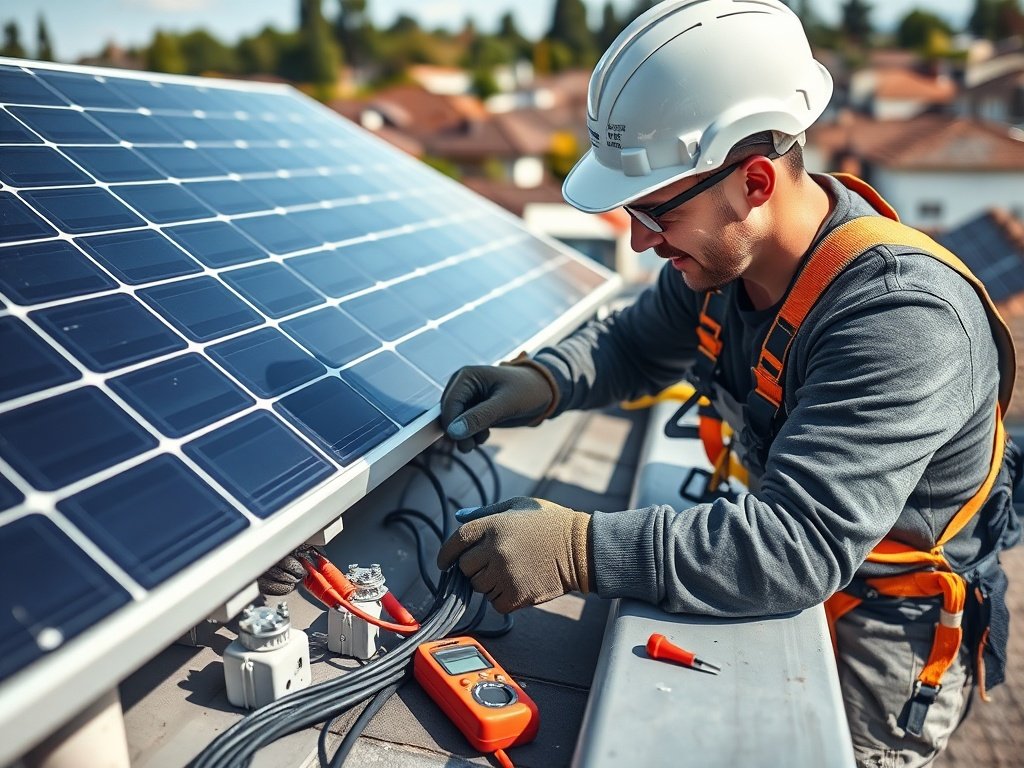
Electrical wiring for solar panels is as essential as a solar panel. Solar energy is now a need of every modern home. Homeowners across the U.S. are shifting to solar panels to reduce energy bills and to control their electricity usage. This attraction actually makes sense. Solar energy belongs to long-term savings and positive environmental change. I think this should be a solid reason to switch.
In this blog we’ll discuss the most major part of a solar system. Which may also be the most invisible part of the solar system. I mean electric wiring. Solar panels alone cannot make a complete energy system, but with the help of proper wiring. Electric wiring’s role is not smaller than any other component, so we should keep an eagle eye on it.
Poor wiring can completely reduce efficiency, begin safety risks, and create problems that don’t show up right away. Secondly, smart electrical wiring for solar panels guarantees your system works safely, efficiently, and continuously over time. It’s one of those things you don’t think about much until it starts causing issues.
Types of Electrical Wiring for Solar Panels
All wirings are not the same in solar systems. Each type has a different role, and learning the concepts can help you see how everything connects.
DC Wiring (Direct Current)
This is where it all initiates. Solar panels produce electricity in direct current (DC), and this wiring transfers that power from the panels to the inverter. It’s commonly installed outdoors and needs to be reliable enough to handle weather conditions. If this part isn’t installed correctly, energy loss can happen before power even reaches your home.
AC Wiring (Alternating Current)
Your home actually uses AC, which is converted by the solar inverter. Then AC wiring took place. It transfers electricity from the inverter to your main electrical system. This part connects your solar system directly to your home’s power supply, so it needs to be precise and compliant with electrical codes.
Battery Wiring (For Storage Systems)
If your system includes battery storage, additional wiring is required to connect the batteries. This allows you to store excess energy for later use like during outages or at night. It’s a great feature, but it also adds complexity to the wiring setup.
Grounding and Bonding Wires
This part doesn’t always get much attention, but it’s critical for safety. Grounding protects your system from electrical faults and lightning strikes. Without it, even a well-installed solar system can become risky.
Each type of wiring works together to create a complete system. When one part is off even slightly, it can affect everything else.
Main Components Used in Solar Panel Wiring
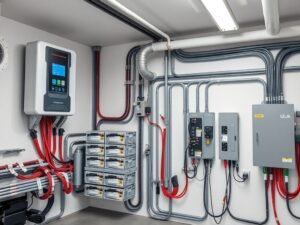
To understand solar wiring better, it helps to know the key components involved. You don’t need to be overly technical here, but a basic idea goes a long way.
Solar Panels:
These are the starting point. They capture sunlight and convert it into electricity. Everything else in the system depends on what happens here.
Inverter:
The inverter is where DC power becomes usable AC power. Without it, your solar energy wouldn’t work with your home appliances.
Charge Controller:
If batteries are part of your system, the charge controller manages how power flows into them. It prevents overcharging and helps extend battery life.
Battery Storage:
Not every home has this, but it’s becoming more common. Batteries store excess energy so you can use it later. It adds convenience, though it does make the wiring setup more detailed.
Breakers and Disconnect Switches:
These provide control and safety. If something goes wrong, you can quickly shut off power to prevent damage or hazards.
Cables and Conduits:
These might seem basic, but they matter more than people think. High-quality cables and proper conduit installation protect your system from wear, weather, and long-term damage.
When these components are connected properly, the system runs smoothly. If not, even the best solar panels can underperform.
Common Mistakes to Avoid
It’s tempting to cut corners, especially when trying to manage installation costs. But with solar wiring, small mistakes can turn into bigger problems over time.
Using Low-Quality Materials
Cheaper wires might save money upfront, but they can degrade faster and reduce efficiency. It’s not always obvious right away, which makes it more frustrating later.
Incorrect Wire Sizing
Wires that are too small can overheat or cause energy loss. This is one of the most common issues in poorly installed systems.
Ignoring Proper Grounding
Grounding is often underestimated. Skipping or rushing this step can create serious safety risks.
DIY Installations Without Experience
Some homeowners try to handle wiring themselves. While the intention is understandable, solar systems are more complex than they appear. One wrong connection can affect the entire setup.
Not Planning for Future Expansion
Maybe you don’t need battery storage now, but what about later? A good wiring plan considers future upgrades. Skipping this step can lead to costly changes down the line.
Avoiding these mistakes doesn’t just improve performance; it prevents headaches that are hard to fix once the system is already installed.
Why Choose Expert Solar Wiring Services
There’s a noticeable difference between a system that’s simply installed and one that’s installed correctly. That difference usually comes down to experience.
Professional solar wiring services bring a level of precision that’s hard to replicate otherwise. They understand electrical codes, proper wire sizing, and safe installation practices. More importantly, they know how to design a system that actually works efficiently, not just one that turns on.
Experts also handle inspections, testing, and compliance requirements. That means fewer surprises and a smoother overall process. And while it might seem like an added expense at first, it often saves money in the long run by avoiding repairs and inefficiencies.
There’s also a level of peace of mind that comes with knowing everything is done right. You don’t have to second-guess connections or worry about hidden issues. It just works the way it should.
Conclusion
Solar panels are a brilliant investment, but their performance relies on more than just sunlight. The wiring behind the system plays a critical role in how efficiently and safely everything operates.
Smart electrical wiring for solar panels isn’t simply about creating connections; it’s about developing a system that delivers consistent results over time. From choosing the right materials to avoiding common mistakes and depending on experienced professionals, every decision matters.
It might not be the most visible part of your solar setup, but it’s definitely one of the most important. And in many cases, getting it right from the start makes all the difference.