

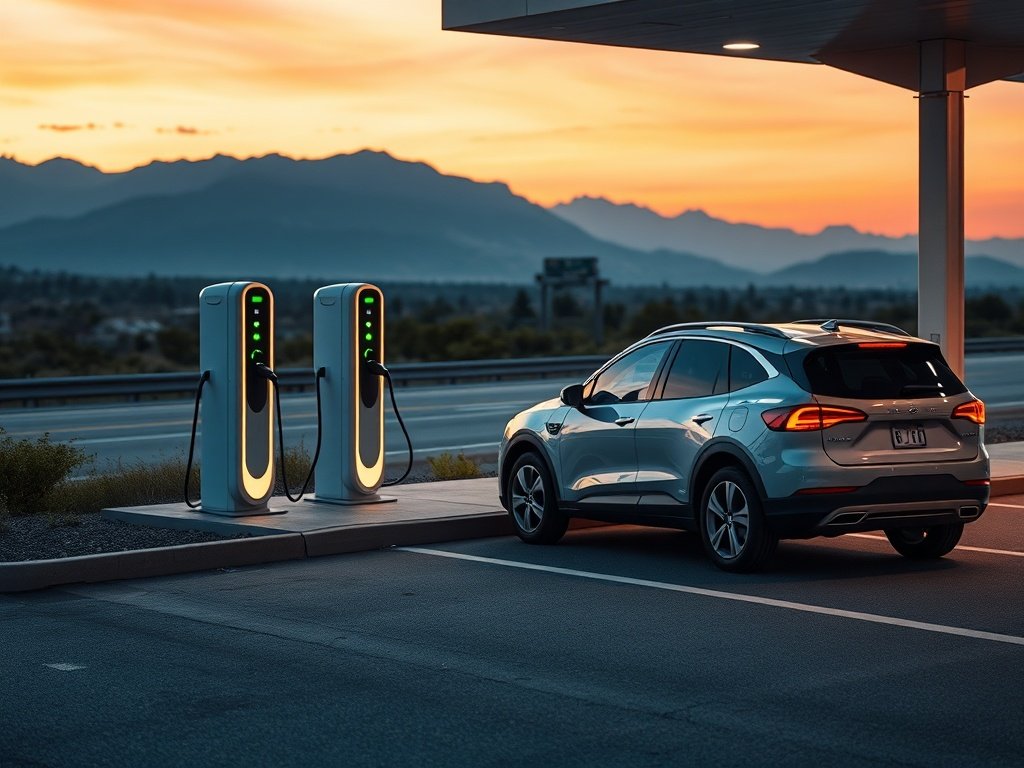
The Hyundai EV Level 2 Charger Installation Guide (2026) is becoming an important topic for homeowners as electric vehicles continue to grow across the United States. In 2026 and the coming years, more people are expected to switch from gas-powered cars to electric models because of lower fuel costs, quieter driving, and improved charging technology. What once felt like the future now feels normal in many neighborhoods.
Home charging has also changed the way people use electric vehicles. Instead of stopping at public charging stations every few days, many EV owners now prefer charging overnight at home. It is simple, convenient, and honestly less stressful during busy weeks.
A Level 2 charger is one of the most practical upgrades for EV owners today. It charges much faster than a standard wall outlet and works well for daily driving needs. Many Hyundai EV owners are now choosing home charging setups because they want quicker charging times and more control over energy usage.
In this guide, we will explain:
- How Level 2 EV charger installation works,
- Electrical and permit requirements,
- Charging setup basics,
- Safety considerations,
- Common installation mistakes,
- How to install a Level 2 charger at home properly.
What Is a Hyundai EV Level 2 Charger?
A Hyundai Level 2 charger is a 240-volt charging system designed to charge electric vehicles faster than a standard household outlet. A regular Level 1 charger can take more than a full day to recharge some EV batteries. A Level 2 charger reduces charging time significantly, which makes daily driving much easier.
Most Level 2 chargers are installed inside garages, on outdoor walls, or near driveways. They use a dedicated electrical circuit and typically provide much higher charging speeds than standard outlets.
For many homeowners, level 2 charger installation becomes necessary after buying an EV because relying only on a regular outlet can feel too slow over time.

Hyundai EV Models Compatible with Level 2 Chargers
Hyundai IONIQ 5
The Hyundai IONIQ 5 supports fast Level 2 home charging and is one of the most popular Hyundai EVs on the market. Its larger battery benefits greatly from faster charging speeds, especially for drivers with longer commutes.
Hyundai IONIQ 6
The Hyundai IONIQ 6 is designed for efficiency and modern charging performance. With a proper Level 2 setup, many drivers can recharge overnight without difficulty.
Hyundai Kona Electric
The Hyundai Kona Electric is a compact SUV that works well with home charging systems. Many homeowners choose Level 2 charging because it provides dependable daily charging without waiting long hours.
Future Hyundai EV Models
Hyundai continues expanding its electric vehicle lineup. Future models are expected to support even smarter charging features, better energy efficiency, and faster home charging compatibility.
Pre-Installation Requirements
Checking Electrical Panel Capacity
Before starting Hyundai EV Level 2 Charger Installation, it is important to check your home’s electrical panel capacity. Not every panel can safely handle an EV charger without evaluation.
An electrician usually performs a load capacity evaluation to determine whether the existing panel has enough available power. In some homes, especially older ones, a panel upgrade may be necessary before installation.
This step matters more than many people realize. Overloading a panel can create safety risks and electrical problems later.
Determining Charger Location
Garage
Garage installations are the most common because they protect the charger from weather and allow easier cable management.
Driveway
Driveway charging setups work well for homes without enclosed garages. The charger should still remain easily accessible without creating tripping hazards.
Outdoor Wall
Outdoor wall installation is another popular option. Weather-resistant chargers and proper conduit protection become especially important in outdoor environments.
Hyundai EV Level 2 Charger Installation Steps
Step 1: Turn Off Main Power
Before starting any electrical work, turn off the main power supply. This reduces the risk of electric shock and protects both the installer and the equipment.
Using a voltage tester before touching wires is always recommended.
Step 2: Install Dedicated Circuit Breaker
A Level 2 charger requires a dedicated circuit breaker sized according to the charger’s amperage requirements.
Breaker sizing matters because an undersized breaker may trip repeatedly, while an oversized breaker may create overheating risks.
Step 3: Run Electrical Wiring
The next step involves running electrical wiring from the panel to the charging location.
Conduit is often used to protect wiring, especially for outdoor installations. Wire routing should remain neat, secure, and protected from physical damage whenever possible.
Step 4: Mount the EV Charger
The charger should be mounted at a practical height where the charging cable can easily reach the vehicle.
Placement matters more than people expect. A charger mounted too far away or too low can become frustrating during daily use.
Step 5: Install Outlet or Hardwire Connection
Some chargers use NEMA outlets, while others require direct hardwired connections.
Plug-in chargers offer easier replacement later, while hardwired chargers often provide cleaner installations and slightly higher power capacity.
Step 6: Connect the Charger
Once the wiring is complete, the charger connections are secured carefully according to manufacturer instructions.
Grounding must be properly completed to help prevent electrical faults and improve overall safety.
Step 7: Restore Power and Test the System
After installation is complete, power can be restored to the electrical panel.
The charger should then be tested with the vehicle to confirm proper charging operation. Most chargers include indicator lights or app notifications during the initial charging test.
Step 8: Configure Smart Features
Many modern chargers include Wi-Fi connectivity and mobile apps.
Homeowners can configure charging schedules, monitor energy usage, and receive charging notifications directly from their smartphones.
It sounds like a small feature, but scheduled charging can help reduce electricity costs in some areas.
Common Installation Mistakes to Avoid
Using Incorrect Breaker Size
Incorrect breaker sizing is one of the most common installation mistakes. It can create both safety and performance issues.
Overloading the Electrical Panel
Some homeowners attempt to add EV chargers without checking total panel capacity first. This can overload the electrical system and create long-term problems.
Poor Charger Placement
Bad charger placement often leads to cable reach issues or awkward parking situations. It is better to think carefully about daily use before installation begins.
Ignoring Weather Protection
Outdoor chargers need proper weatherproofing. Water exposure and poor conduit protection can damage electrical components over time.
DIY Installation Without Experience
Some homeowners try to complete level 2 charger installation themselves without electrical experience. While simple installations may seem manageable, mistakes with high-voltage wiring can become dangerous very quickly.
Hiring a licensed electrician usually provides safer and more reliable results.
Conclusion
Electric vehicles are becoming a normal part of everyday life, and home charging is quickly following the same path. A properly installed Level 2 charger provides faster charging, better convenience, and a smoother ownership experience for Hyundai EV drivers.
While the Level 2 charger installation cost can vary depending on panel upgrades, permits, and charger type, many homeowners consider it a worthwhile long-term investment. Whether you own a Hyundai IONIQ 5, IONIQ 6, or Kona Electric, installing a Level 2 charger at home can make daily charging much more practical and reliable.
FAQs
What are the benefits of electric vehicles?
Electric vehicles offer lower fuel costs, reduced emissions, quieter driving, and lower maintenance needs compared to traditional gas-powered vehicles.
How far can an electric vehicle go on one charge?
Driving range depends on the vehicle model and battery size. Many modern EVs can travel between 200 and 350 miles on a full charge.
What type of maintenance do electric vehicles require?
Electric vehicles generally require less maintenance than gasoline vehicles. Common maintenance includes tire care, brake inspections, battery system monitoring, and software updates.
How do you charge an electric car?
Electric cars can be charged using Level 1 home outlets, Level 2 home chargers, or public fast-charging stations. Most homeowners prefer Level 2 charging because it is faster and more convenient.
What electrical panel size is needed for a Level 2 charger?
Many homes use 100-amp or 200-amp electrical panels. The required panel size depends on total household electrical usage and the charger’s power requirements. A professional load evaluation is usually recommended before installation.