

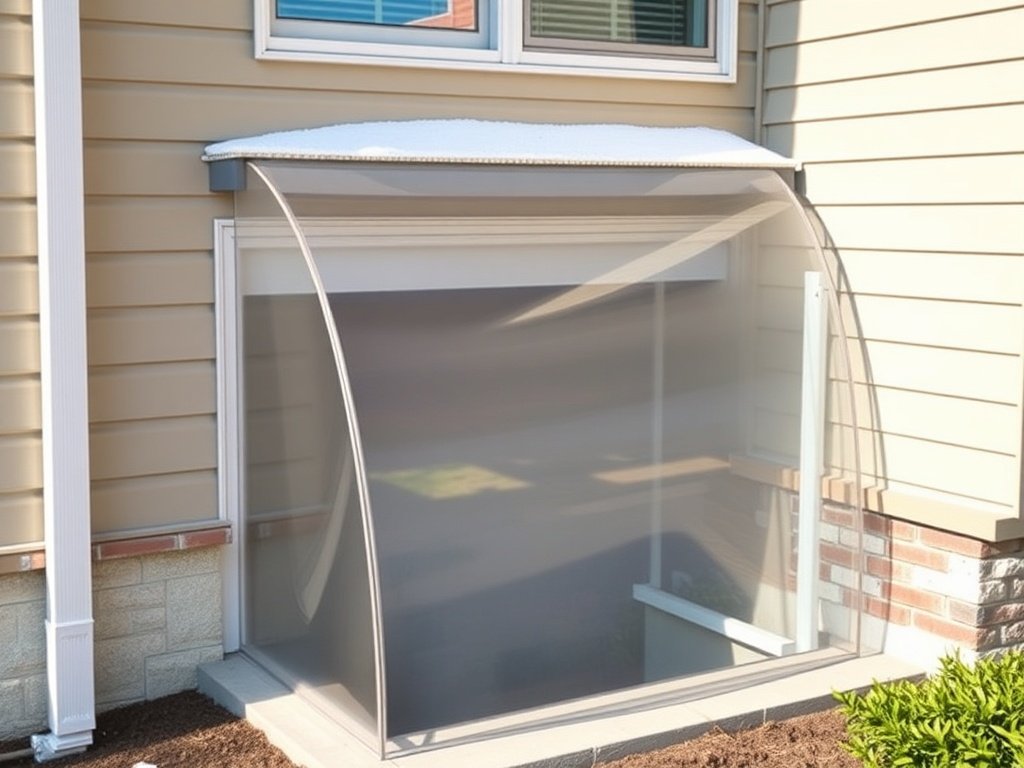
Polycarbonate window well covers are becoming a popular choice for homeowners who want to protect their basements without blocking natural light. Many people focus on the windows themselves but forget about the area outside them. That small space around basement windows can actually create many problems if left uncovered.
Rainwater, snow, dirt, leaves, and even small animals can collect inside window wells over time. In some homes, this leads to moisture problems or extra cleaning work every season. A good cover helps reduce those issues while also improving safety and basement comfort.
In this blog, we will discuss what window wells are, common types of window wells, what polycarbonate means, and the real benefits of using polycarbonate window well covers for your home.
What Are Window Wells?
Window wells are open spaces built around basement windows that sit below ground level. Since many basement windows are partially underground, soil around the home would block them without a window well.
The well creates an open area that allows the following:
• Natural light into the basement
• Proper ventilation
• Emergency escape access
• Water drainage around basement windows
Window wells are especially important in basements with egress windows because they help create a safe exit during emergencies.
Some deeper wells also include a window well ladder for easier escape.
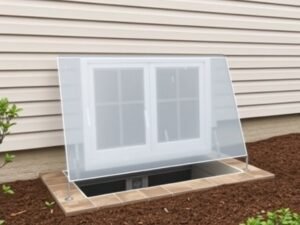
Common Types of Window Wells
There are several types of window wells used in residential homes. Each one has different strengths depending on the basement design and climate.
Metal Window Wells
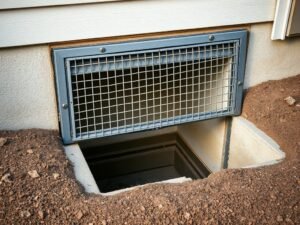
A metal window well is one of the most common options. These are usually made from galvanized steel and are known for durability and affordability. Many homeowners also pair them with metal window well covers for extra protection.
Plastic Window Wells
Plastic wells are lightweight and resistant to rust. They are often easier to install but may not feel as strong as metal in some situations.
Concrete Window Wells
Concrete wells are highly durable and long-lasting. They are common in older homes and larger basement projects.
Stone or Decorative Window Wells
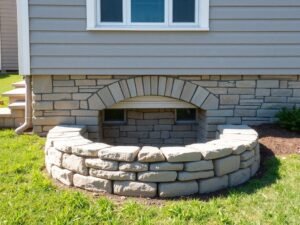
Some homeowners choose decorative stone-style wells to improve curb appeal while still protecting basement windows.
Polycarbonate Window Well Covers
Before discussing the benefits, it helps to understand what polycarbonate actually is.
Polycarbonate is a strong and impact-resistant plastic material. It is lightweight but much tougher than standard plastic sheets. It can handle changing weather conditions while still allowing sunlight to pass through.
That combination makes it a practical material for basement window covers. Unlike some heavier materials, polycarbonate does not completely darken the basement area. It keeps protection and visibility balanced, which many homeowners prefer.
1. Keeps Rain and Snow Out
One of the biggest reasons people install polycarbonate window well covers is to help block rainwater and snow.
Open window wells can quickly fill with water during storms. Over time, that moisture may create leaks, mold issues, or basement dampness. Snow buildup can also become a problem during the winter months.
A properly fitted cover helps reduce direct water entry and keeps the area cleaner year-round.
2. Allows Natural Light into the Basement
Some basement covers make the space feel darker and closed off. Polycarbonate works differently because it is transparent or semi-transparent.
Natural light can still pass through the cover and brighten the basement area. That small improvement actually changes how a basement feels. Dark basements often seem colder and less comfortable, even when they are finished living spaces.
3. Prevents Debris Buildup
Leaves, dirt, branches, and trash can easily collect inside uncovered window wells. Cleaning them repeatedly becomes frustrating after a while.
Polycarbonate covers help keep debris out and reduce clogging around drainage systems. This is especially helpful during the fall when leaves collect quickly around homes.
Less debris also means fewer chances of blocked drainage around the basement window area.
4. Improves Basement Safety
Open window wells can become safety hazards, especially at night or around children and pets.
A secure cover adds a protective barrier over the opening. Some homeowners mainly install covers for this reason alone.
For deeper wells, adding a window well ladder inside the well can provide additional emergency safety support.
5. Durable and Impact-Resistant
Polycarbonate is known for its strength. It handles impact much better than ordinary plastic materials.
That matters because window well covers deal with the following:
• Heavy rain
• Hail
• Snow pressure
• Falling branches
• Temperature changes
A weaker cover may crack over time. Polycarbonate usually lasts longer with proper care.
6. Helps Reduce Maintenance
Open wells need regular cleaning and inspection. Water buildup, insects, debris, and dirt all create extra maintenance work.
With a protective cover installed, homeowners often spend less time cleaning the basement window areas. It does not eliminate maintenance, but it definitely reduces it.
That becomes more noticeable during rainy seasons.
7. Works Well with Egress Windows
Egress windows are designed for emergency escape access. Many basement bedrooms require them to meet building codes.
Polycarbonate covers can work well with egress systems because many designs are lightweight and easy to open from the inside when needed.
During proper window well installation, homeowners should always ensure the cover does not block emergency escape functionality.
8. UV and Weather Resistance
Polycarbonate materials are designed to handle outdoor exposure. Good-quality covers resist the following:
• UV rays
• Rain
• Heat
• Cold temperatures
• Seasonal weather changes
Some cheaper materials become brittle after long sun exposure. Polycarbonate usually performs better over time.
That makes it suitable for homes in areas with changing weather conditions.
9. Helps Improve Basement Energy Efficiency
This benefit is often overlooked.
Window wells can allow cold air, drafts, and moisture near basement windows. A protective cover helps create another layer between outdoor conditions and the basement area.
While it will not completely transform energy bills, it may help reduce heat loss around basement windows during colder months.
Small improvements add up over time.
Conclusion
Polycarbonate window well covers offer a practical solution for homeowners who want better basement protection without sacrificing natural light. They help reduce water intrusion, improve safety, limit debris buildup, and support basement comfort throughout the year.
Every home is different, of course. Some homeowners still prefer metal window well covers for appearance or durability preferences. But polycarbonate remains one of the most balanced options because it combines strength, visibility, and weather resistance in one product.
If you are planning window well installation or upgrading older basement covers, choosing the right material can make a noticeable difference in maintenance and long-term protection.
FAQs
What are window wells?
Window wells are open spaces around below-ground basement windows. They create room for light, ventilation, drainage, and emergency escape.
What is the purpose of a window well?
Window wells protect basement windows below ground level and allow proper light, airflow, drainage, and emergency escape.
Are window well covers necessary?
They are not always required, but they are very helpful. Covers protect against rain, snow, dirt, pests, and accidental falls while helping reduce basement maintenance.
How do you measure window well covers?
Measure the width, projection, and height of the window well opening. Accurate measurements are important because covers should fit tightly over the well area without blocking window operation.
How do you install window well covers?
Most covers are installed by measuring the well opening, positioning the cover correctly, and securing it with clips, brackets, or screws, depending on the design. Proper fitting matters because loose covers may allow water or debris inside.
How do you clear snow from window wells?
Use a small shovel or brush to remove snow carefully without damaging the cover or window area. Avoid allowing heavy snow accumulation around basement windows.
How to keep animals out of window wells?
Installing secure covers is one of the best solutions. Covers help prevent animals, insects, and debris from entering the well area.
How deep should a window well be?
Depth depends on basement window placement and local building codes. Egress window wells usually require enough space for safe escape and may also require window well extensions in deeper installations.