

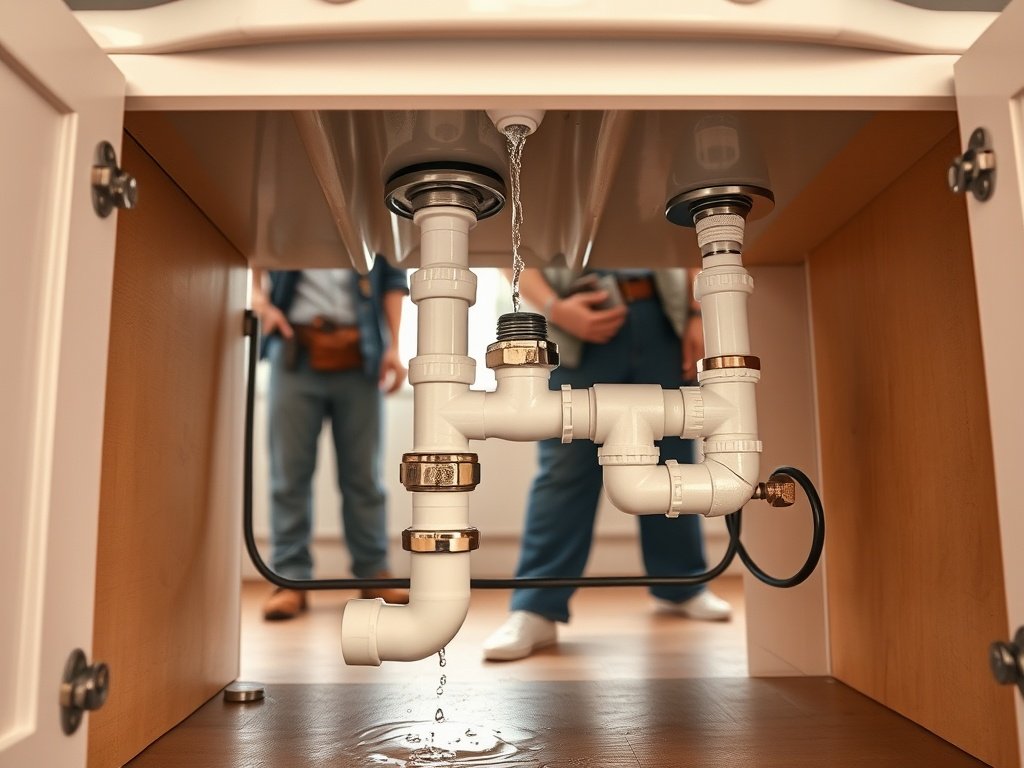
Installing kitchen sink drain systems correctly can help prevent leaks, odors, and expensive plumbing repairs in the future. Many homeowners think installing a kitchen sink drain is a quick weekend task. In some cases, it is. But one small mistake under the sink can quietly turn into water damage, bad smells, mold, or constant drainage problems. That is why proper kitchen sink plumbing installation matters more than most people realize.
Every day sees someone turning on the tap above a kitchen sink. Through its drain flows hot liquid, leftover scraps, greasy film, and cleaning foam, always with dampness lingering behind. When pipe joints lack proper alignment or the angle runs too flat, trouble tends to appear fast. Not slow. Fast.
Homeowners often tackle kitchen sink drain installations themselves, hoping to cut costs. Yet another reason pops up when renovating: swapping out outdated pipes mid-kitchen upgrade. These scenarios show up regularly across American households, particularly where older setups hide quirks beneath counters. Knowing which errors trip people up makes a difference, stopping headaches before they start.
Common Errors During Kitchen Sink Drain Installation
1. Wrong Drain Pipe Size
The wrong pipe size sneaks into many kitchen sink jobs. Homeowners often think every drain fits alike; reality hits when sink models differ. Garbage disposals complicate things further. The plumbing layout inside the house adds another layer. Mismatched parts lead to slow drainage or leaks down the line.
A too-narrow pipe slows waste flow and leads to more blockages. When the fit feels off, joints stay shaky, and water finds its way out under the sink.
Older houses across America often face this issue more often. Years of past fixes sometimes left behind a mix of odd connections and old-style pipes. Take time to verify fit and size before setting up parts under your kitchen sink. Getting things right early avoids trouble later.
A well-made sink might still leak when pipe dimensions don’t match correctly. Wrong-sized drains create trouble, no matter how good the fixture looks.
2. Unsealed connections overlooked
Under the sink, water sneaks out when seals fail at joints. Each joint counts during the setup of the drain pipes in a kitchen. Not everyone uses plumber’s putty; some leave it out on purpose. Too much sealant shows up now and then, slapped on without care. The drip might stay hidden at first. Dampness gathers beneath the sink, quiet and slow, warping wood or feeding mold over time.
Water trickling slowly looks harmless, yet weeks pass, and everything underneath begins to warp. Cabinets darken first. Then floors swell. Walls follow without warning.
3. Incorrect P-Trap Installation
Water stays trapped inside the bend of the P-trap, stopping bad smells from rising up. This little curve under your sink? It’s doing more work than you think. Wrong angles happen a lot when people set up traps themselves. Too high or too low, either way, things start going off track. Drains crawl instead of flow. Smells sneak out where they should not. Gurgles pop up in quiet moments, unexpected.
Under normal conditions, a P-trap fits smoothly when the setup is correct. Alignment matters most after placement. It shouldn’t pull or twist at connection points. Position stays stable only if the assembly flows straight. Little tension means joints remain secure. Smooth positioning prevents leaks over time. Correct fit shows when everything lines up on its own.
4. Over-Tightening Drain Fittings
Most folks believe that squeezing joints extra hard improves water flow. Actually, cranking fittings too much during kitchen drain setup causes more issues than it fixes. Under stress, plastic fittings tend to split apart. When tightened too much, metal threads start to degrade. Later on, tiny drips tend to show up near the joints. People twist the parts tighter, thinking it helps, yet that pushes things further into disrepair.
5. Improper Drain Pipe Slope
Water flows down drain pipes because of gravity’s pull. When the angle’s off, flow drags or races through the system. Water might stay trapped in the pipe if the downward angle isn’t right when fitting a kitchen waste line. Slowly, bits of food plus oily residue gather where the liquid lingers. Pipes set perfectly flat by some house owners tend to cause poor drainage over time. A gentle slope helps the pipes carry waste smoothly during a kitchen sink setup. Water moves steadily when the tilt guides it down without forcing speed. This small drop keeps things flowing but never too fast.
More Common Homeowner Oversights
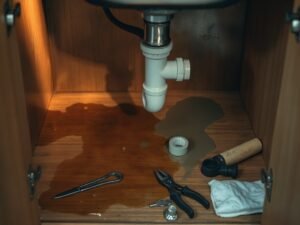
A small drip today might just annoy you now, yet that tiny leak can turn into a flood of trouble down the road. What feels like nothing could quietly wear down pipes until fixing it takes more time, more work, and more money. A problem ignored is often a bill multiplied weeks later without warning.
A common error people miss? Choosing inexpensive plumbing parts. When plastic pieces aren’t built well, splits tend to show up sooner, particularly where cooking happens all day long. Spending extra on tougher supplies pays off down the road through fewer replacements.
Skipping leak tests after setup causes trouble, too. Once the job ends, a few people shut the cabinet right away without checking for drips first. With water flowing, weak joints might escape notice at first. A small drip today could warp wood or rot floors months later.
When installing a kitchen sink, hooking up a garbage disposal can cause trouble. A bit off alignment? The whole setup might shake when running. Misconnected parts lead to leaks over time. Vibration often follows poor fits between pipes. Loose joints appear even from small errors during assembly. Water finds its way out through weak spots eventually.
Warning Signs of Poor Drain Installation
Something odd in the sink might hint at trouble long before pipes fail. Spotting it soon helps avoid high costs down the road.
Smelly sinks? Usually, it’s a faulty P-trap. Sometimes the issue hides in how tightly the drain pipes were fitted under the counter. Leaks form when seals slip. A wobbly joint can let stink rise slowly. Pipe alignment matters more than most think. Gaps near the bend trap air incorrectly. Old putty breaks down over the years. Water sitting in the curve blocks gases normally. When that seal fails, trouble seeps up. Loose fittings invite fumes through tiny cracks. Each drip worsens the gap slowly.
A drip beneath the sink might seem minor. Yet water marks often signal trouble ahead. A steady leak, however tiny, invites mold. Over weeks, it weakens wood. Left unchecked, dampness ruins cabinetry slowly.
Water moving through tubes can make bubbling noises when airflow is blocked. Misaligned waste lines sometimes cause odd gurgles during drainage.
Conclusion
A drip here, a loose joint there; before you know it, trouble starts beneath the counter. Though tiny in size, that pipe under the sink handles big responsibilities every single day. One wrong twist of a fitting might go unnoticed at first, yet slowly invite dampness, smells, or blockages deep inside. Over time, what looked like nothing soon shows up as warped cabinets or peeling floors.
A well-built system moves liquid away without fuss. What matters most? A kitchen that runs day after day, year on year, without surprise hiccups.