

Plumbing repiping services for old homes in the USA become necessary when small plumbing problems stop being small. Many of America’s older homes were constructed with pipe materials. that were never intended to last forever, and time has a way of exposing that; “A drip under the sink, rusty water in the morning, weak pressure in the shower, or another leak behind the wall all feel unassociated at first glance but more often than not are signs of a larger system wearing out.”
Homeowners usually try repairs first, and rightly so: a valve can be replaced, a leaky pipe can be patched, and sometimes those makeshift fixes buy you years, but then there comes a point when the cost incurred (financial, temporal, and in frustration) by frequent repairs outweighs the cost incurred by fixing the root cause, and that is when professional repiping measures begin to make sense.
In many USA homes, particularly those constructed many years ago, plumbing systems operate with corrosion, mineral deposits, concealed fractures, and obsolete joint materials; some sections of piping constrict from the inside, restricting water flow at a rate slow enough for household occupants to become accustomed to it, while others rupture instantly and invariably at the most inconvenient moment.
Repiping may sound like a major project, and honestly, it can be, but it is also one of the most sure-fire ways to restore water pressure, improve water quality, and reduce the cycle of constant repairs and patch jobs altogether. When done properly, it gives an older home something valuable, modern reliability, without losing the charm in which it was built.
Signs Your Old Home Needs Repiping
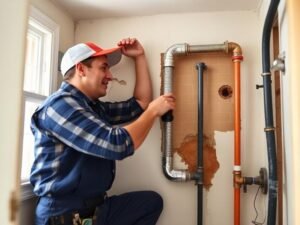
Older homes usually give warnings before plumbing failure becomes serious, and the warning signs are very easy to overlook. If you notice your water pressure keeping on dropping, pipes make rattling noises when fixtures are turned on, or your water is rusty or discoloured water, you have a system that ages from inside out. Another warning sign is leaks becoming increasingly common. While one or two repairs are always guaranteed, repeated repairs to pipes are a great indication something bigger is wrong. Some homeowners have also reported strange tastes and smells in water. This does not always call for immediate system replacement, but when multiple warning signs appear together, repiping warrants a closer look.
Why Old Pipes Fail in USA Homes
Old pipes fail from a handful of common reasons. Most of which are time-related. Many older USA homes still sport galvanized steel or aging copper lines that corrode naturally over the years. Mineral-rich water slowly deposits inside pipes, reducing flow and putting strain on vulnerabilities. Freeze and thaw cycles in cold areas create cracks or joint damage, shifting soil or slight foundation moves can impact buried or concealed lines. Poor original installation can come into play as well; pipes last for a long but not indefinite amount of time after which repairs become increasingly common.
PEX vs. Copper Repiping
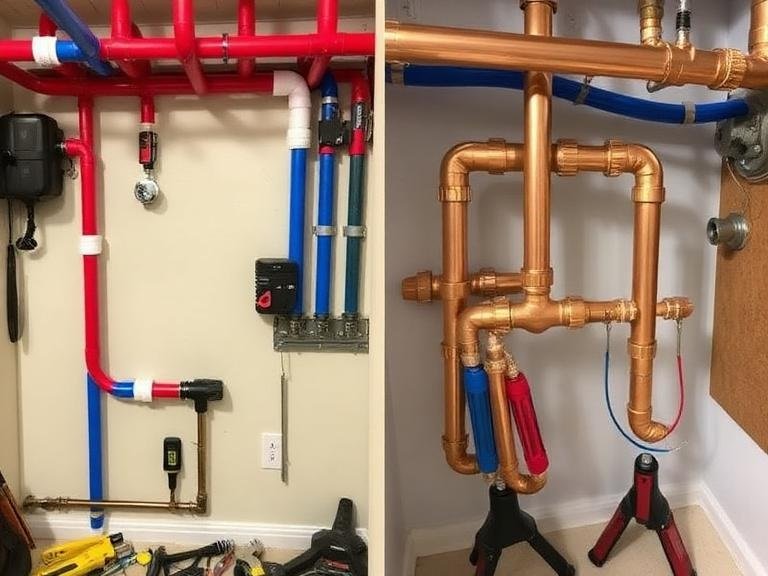
Material conversations with homeowners choosing repiping frequently boil down to PEX or copper. PEX is flexible, inexpensive, and often quicker to install because it can bend around obstacles with fewer fittings. It’s better at withstanding freezing conditions than rigid pipe in many cases. Copper is known for its long track record, premium feel, and earned reputation for durability when installed correctly. But it has a higher price point and can take longer to install. Neither option is right for every home. The right choice depends on budget, layout, water quality, and long-term goals more so than trends alone.
Benefits of Full Home Repiping
Other benefits are cleaner water, as contaminants from old corroded lines are removed. A reduction in the stress that surprise leaks, drywall damage, and multiple service calls can cause. Higher initial costs but lower repair bills overall; and some hesitancy on the part of people who don’t like the magnitude of the job. But then wish they’d invested in it earlier rather than battling pipe patchwork problems for years.
Why Choose Professional Plumbing Repiping Services?
Repiping is not something most homeowners want to do by trial and error. Professional plumbing repiping services offer planning, knowledge of codes, and experience to get the job done with fewer disturbances. A trained team knows how to inspect the system, recommend appropriate materials, properly size lines, and protect walls or finishes as much as possible during installation. As well as how to test the new system before sealing everything up. And importantly, licensed professionals can provide warranties and accountability, which is crucial when dealing with a home’s water system.
Conclusion
Old homes have history, charm, and character, but outdated plumbing can cost you quietly in problems behind your walls. In such an event where pipes continue to leak, water pressure is subpar, or the pipes are old, repiping becomes a better long-term solution. Professional plumbing repiping services provide reliability, ensure the flow of pipes, and craft a better future for the home. There is no need to wait until there is a significant pipe failure before taking corrective action.
FAQs
How do I know if my house needs repiping?
Leaks appearing regularly, the rust color of leaking water, the amount of leakage, and the material of the pipes used are the most frequent indicators.
How long does a whole house repiping take?
Depending on their size and complexity, most homes can take anywhere from a few days to a week.
Is PEX better than copper for repiping?
PEX is cheaper and flexible, whereas copper is durable and lasts for a long period.
Will repiping damage my walls?
Some amount of wall access is always required; as professionals we try to keep any damage to a minimum.
Does repiping increase home value?
Yes, updated plumbing will help with buyer confidence and the overall appeal of the home.
Can I stay in my home during repiping?
In many cases, yes, although the water supply is sometimes cut off temporarily during the works.