

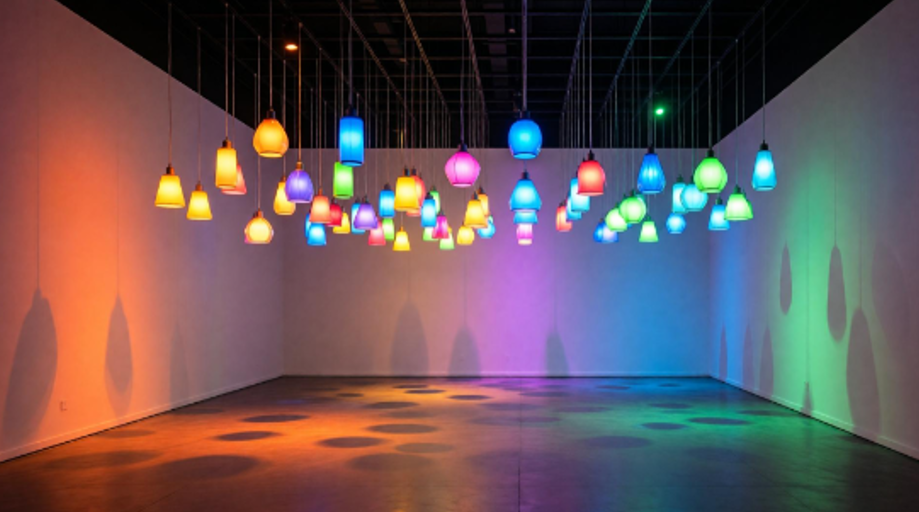
USA Home Services Pro provides professional Lighting Installation for homes and outdoor spaces. We handle recessed lighting installation for clean indoor light, landscape lighting installation for safer outdoor areas, and holiday light installation for seasonal needs. Our team also offers christmas lights installation with secure setup and neat designs. We focus on proper brightness, correct placement, and balanced light color. Every project is planned to improve comfort, visibility, and mood while meeting home lighting needs.
A proper Lighting Installation affects how people feel inside a space. Light changes mood, focus, comfort, and sleep patterns. Many people feel stressed or tired because of poor lighting. Colors and brightness send signals to the brain. These signals shape emotions and behavior. Bad lighting causes discomfort without warning. Good lighting supports calm, focus, and rest. Understanding lighting helps homeowners make better choices.
How the Brain Reacts to Light?
The brain reacts to light faster than most senses. Light controls alertness and rest cycles. Bright light tells the body to stay awake. Low light signals the body to slow down. These reactions come from natural sunlight patterns. Artificial light triggers the same response. Poor lighting creates pressure on the brain. This leads to stress and low energy.

Natural Light and Emotional Balance
Natural light supports steady mood levels. Morning light improves focus and energy. Daylight helps reduce stress and tension. Rooms without daylight feel dull and heavy. People feel tired in dark spaces. Artificial lighting should support natural light patterns. This keeps emotions stable during the day.
Warm Light and Relaxation
Warm light uses yellow or soft orange tones. This light feels safe and calming. It reminds the brain of sunsets and firelight. Warm lighting helps muscles relax. It works well in bedrooms and living rooms. Too much warm light reduces alertness. Balance keeps the space comfortable.
Cool Light and Focus
Cool light uses white or blue tones. This light improves alertness and attention. It works best in kitchens and work areas. Cool light helps with tasks and detail work. At night, it disrupts sleep patterns. Screen light causes the same problem. Timing and placement matter.
Brightness and Emotional Comfort
Brightness affects mood more than color alone. Dim light can feel calm or depressing. Very bright light can feel harsh. Each task needs the right light level. Reading needs more light than resting. Poor brightness causes eye strain. Balanced lighting supports comfort.
Stress and Lighting Quality
Harsh lighting raises stress levels. Flickering light causes discomfort and tension. Poor lighting makes rooms feel unsafe. Soft and steady light calms the nervous system. Hospitals use gentle lighting for this reason. Homes benefit from the same approach. Calm lighting lowers daily stress.
Lighting and Sleep Health
Light controls sleep hormones in the body. Bright or blue light blocks sleep signals. Bedrooms need warm and low lighting. Ceiling lights before bed cause sleep issues. Table lamps work better at night. Proper lighting supports deeper rest. Better sleep improves mood.
Living Room Lighting Design
Living rooms serve many activities daily. People relax, talk, and watch screens there. One overhead light causes glare. Layered lighting works better. Lamps add soft light. Warm tones support comfort. Balanced lighting makes the space feel welcoming.
Kitchen Lighting and Energy
Kitchens need bright and clear lighting. Cooking tasks require focus and safety. Cool or neutral light works best here. Under cabinet lighting reduces shadows. This helps prevent mistakes. Proper lighting keeps energy levels steady. Poor lighting causes frustration.
Bedroom Lighting and Calm Feelings
Bedrooms should support rest and peace. Bright lights disturb relaxation. Warm and dim lighting works best. Bedside lamps reduce harsh glare. Avoid cool light after sunset. Soft lighting helps the brain relax. Calm light supports better sleep.
Bathroom Lighting and Comfort
Bathroom lighting affects daily comfort. Harsh light feels unkind and stressful. Soft and even light improves visibility. Neutral tones work well for grooming. Shadows distort reflection. Balanced lighting supports confidence and ease.
Recessed Lighting Installation and Mood
Recessed lighting installation provides even and controlled light. These lights reduce glare and harsh shadows. They work well in kitchens and living rooms. Dimmers allow brightness control. Proper spacing prevents eye strain. This lighting style supports calm spaces.
Landscape Lighting Installation and Outdoor Mood
Landscape lighting installation shapes outdoor comfort at night. Soft path lights improve safety. Accent lighting highlights trees and walls. Balanced outdoor light feels welcoming. Dark spaces feel unsafe. Poor lighting causes discomfort. Good lighting improves outdoor use.
Holiday Light Installation and Emotional Impact
Holiday light installation creates strong emotional responses. Soft lights bring warmth and comfort. Seasonal lighting supports joy and calm. Balanced designs prevent visual stress. Too many flashing lights cause irritation. Simple layouts feel more peaceful. Lighting affects holiday mood.
Christmas Lights Installation and Emotional Connection
Christmas lights installation connects people to memories. Warm white lights feel calm and familiar. Bright colors add excitement. Even spacing avoids clutter. Overloaded displays feel overwhelming. Thoughtful lighting supports joy without stress. Comfort matters during holidays.
Color Temperature and Daily Routine
Color temperature affects daily rhythm. Warm tones support rest. Cool tones support focus. Morning routines benefit from cooler light. Evening routines need warmer light. One tone all day causes imbalance. Adjusted lighting supports comfort.
Common Lighting Mistakes
Many homes use one ceiling light per room. This creates glare and flat light. Wrong bulb choice causes strain. Poor placement creates shadows. No dimmer control limits comfort. These mistakes affect mood daily. Planning prevents these issues.
Smart Lighting and Mood Control
Smart lighting allows easy brightness changes. Users adjust light by time of day. Morning settings support focus. Evening settings support rest. This reduces stress and sleep issues. Simple control improves comfort. Lighting supports emotional balance.
Choosing the Right Light Bulbs
Bulb labels show brightness and tone. Lower numbers mean warmer light. Higher numbers mean cooler light. Choose bulbs based on room use. Dimmable bulbs add control. Quality bulbs reduce flicker. Good choices protect eyes and mood.
Lighting Installation and Emotional Health
Lighting installation shapes how people feel daily. Color and brightness guide emotions. Each room needs a lighting purpose. Small changes create strong results. Proper lighting reduces stress. Comfort improves when lighting feels natural.
Final Thoughts
Lighting affects mood more than most people realize. Color, brightness, and placement matter. Every room needs thoughtful lighting choices. Good lighting supports comfort and emotional balance. A proper lighting installation improves daily life. When lighting feels right, people feel better.
 ”Contact