

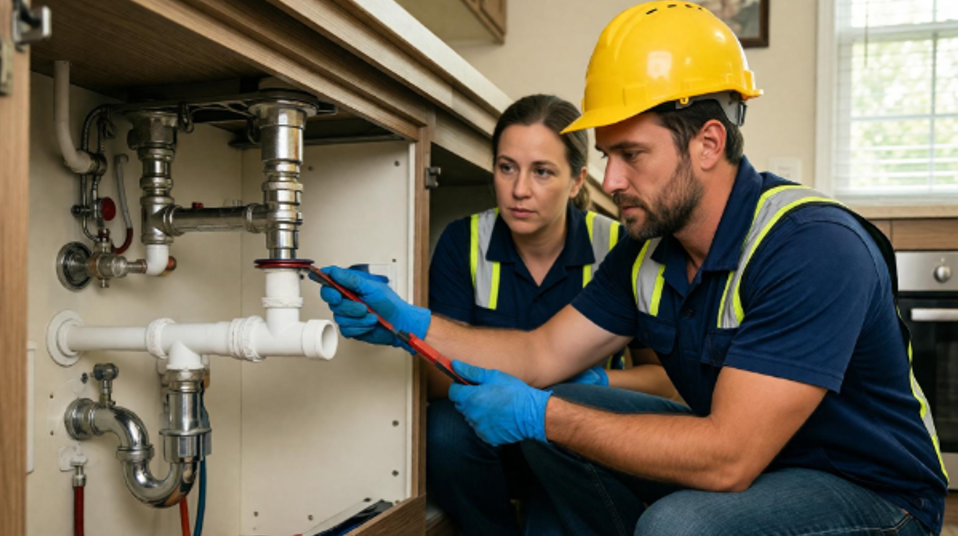
Plumbing Inspections by USA Home Services Pro help homeowners find hidden plumbing issues before they turn into costly repairs. Our trained technicians inspect pipes, drains, fixtures, water heaters, and connections throughout your home. We look for leaks, corrosion, clogs, low water pressure, and code concerns. Each inspection includes a clear report with honest findings and practical recommendations. Whether you are buying a home, selling a property, or maintaining your system, our plumbing inspections give you peace of mind and protect your investment.
Most plumbing issues stay hidden until damage spreads. By the time you notice, repairs cost more and take longer. A proper inspection finds trouble early and protects your home.This guide explains how plumbers inspect a house. You will learn what they check and why it matters.You will also see how inspections save money and stress.
Why Plumbing Inspections Matter for Every Home?
Plumbing systems work every day without rest. Water gets distributed, drains remove the waste, and everything stays under pressure. Worn out parts and loose joints. Small problems can turn into big repairs. Mold, rot, and spongy floors are caused by leaks. Smells and backups come from poor drainage. Inspections find telltale signs.
What Inspectors Check first when they Arrive?
Plumbers start with a full walk through the house.They note fixture types, pipe access, and system age.This gives them a clear inspection plan.They ask about past repairs or known issues.Old fixes often hide new problems.They also check water pressure right away. Pressure readings reveal leaks or block blocks. Bad pressure shortens pipe life. It also affects fixture performance.
Checking the Main Water Supply Line
The main water line feeds the entire house. If it fails, nothing works right.Inspectors look for leaks near the entry point. They check shutoff valves for smooth operation. A stuck valve becomes a major risk during leaks. Pipe material matters here. Old steel pipes rust from the inside. Lead pipes raise health concerns. Pressure tests confirm stable flow. Sudden drops suggest hidden leaks underground.
Inspecting Interior Supply Pipes
Supply pipes carry clean water to fixtures. Leaks here waste water and raise bills. Plumbers inspect pipes under sinks and behind toilets. They look for rust, stains, and loose joints. Even small drips matter over time. Pipe supports get checked as well. Loose pipes shake and stress joints.This leads to cracks later on. They also note pipe material and age. Mixed materials often fail at joints.
Drain Line Inspection and Flow Testing
Drain lines move waste water out safely. Slow drains hint at deeper issues.Inspectors run water in sinks and tubs. They watch flow speed and listen for sounds. Gurgling points to vent problems. They check visible drain pipes for sagging.Poor slope causes clogs over time. Grease buildup remains a common issue. Camera tools inspect hidden lines when needed.Cracks and roots show up clearly this way.
Vent Pipes and Air Balance
Vent pipes control air pressure in drains. Blocked vents cause slow drains and smells. Inspectors check vent access on roofs when safe. They look for nests, debris, or ice damage. Inside, they test drain response during use. Poor venting causes bubbles in toilets This sign never gets ignored. Proper vent size also matters. Old systems often fall short here.
Water Heater Inspection Steps
- Water heaters work under constant pressure.
- Failure causes major water damage fast.
- Inspectors check the unit age first.
- Most tanks last under twelve years.
- They inspect valves, vents, and drain pans.
- Rust near the base signals tank failure.
- Temperature settings get reviewed.
- Water set too hot strains the system.
- Gas units receive vent safety checks.
- Poor venting risks harmful gas buildup.
Toilet Inspection Details
Toilets use more water than any fixture. Small leaks here waste thousands of gallons. Inspectors check the base for movement. Loose toilets break seals and leak below floors.Inside the tank, parts get tested. Worn flappers cause silent leaks. Bad fill valves waste water nonstop.They also test flush strength. Weak flushes signal drain or vent issues.
Sink, Tub, and Shower Checks
Every fixture gets inspected during the visit. Leaks often hide behind walls and tubs.Inspectors check faucet bases and handles. Drips show worn seals or valves.They inspect traps and drain joints.Loose fittings leak during heavy use. Shower pans get checked for soft spots. Cracked grout allows water into walls. They also test hot water flow. Uneven heat hints at heater issues.
Outdoor Plumbing Inspection
Outdoor plumbing faces harsh weather. Freezing and sun damage weaken pipes.Inspectors check hose bibs for leaks. They look for frost cracks and drips. Irrigation systems also get reviewed. Broken heads waste water fast.They inspect drainage near outdoor fixtures. Poor runoff sends water toward foundations.
Signs of Past Plumbing Repairs
Inspectors look for past repair work. Poor fixes often fail again. Mismatched pipes raise concern. Temporary patches never last long. They check for excess sealants and tape.
These hide leaks instead of fixing them.Old repairs guide future risk.They show where problems tend to repeat.
Water Quality and Pipe Health
Water quality affects pipes and health. Hard water leaves scale inside pipes. Inspectors check fixtures for buildup. White stains show mineral issues. They may test water pH levels. Acidic water eats metal pipes.Filters and softeners get reviewed. Poor installs reduce their benefit.
Plumbing Code and Safety Checks
Code rules protect homes and people. Older homes often miss updates. Inspectors check pipe spacing and support. They review drain slope and vent size. Backflow devices get checked. Missing parts allow dirty water to return. Shutoff access matters as well.Every home needs quick shutoff points.
When Inspections Matter Most?
Inspections help during home sales. Buyers want clear system health. Sellers avoid last minute repair delays. A clean report builds trust fast. They also matter after renovations. New work sometimes hides mistakes.Any change in water pressure needs review. So do stains, smells, or slow drains.
How Inspections Save Money Long Term?
Inspections cost less than repairs. Early fixes stop water damage spread. Leaks destroy walls, floors, and wiring. Mold cleanup alone costs thousands. Planned repairs reduce emergency calls. They also lower stress and downtime. A solid plumbing system adds value.
Buyers trust homes with inspection records.
How Often to Schedule Plumbing Inspections?
Most homes need checks every two years. Older homes need more frequent visits. Large families stress systems faster. Rental homes also need close review. Any warning sign deserves attention. Early action prevents major damage.
Final Thoughts
Plumbing issues rarely start big. They grow slowly and quietly.Inspections reveal hidden risks early. They protect your home and budget. Now you understand what professionals look for.Use inspections to stay ahead of trouble. One visit today can prevent years of damage tomorrow.
”Don’t wait for plumbing problems contact USA Home Services Pro for a professional inspection today.”
FAQ’S
Q. Can a plumbing inspection increase home value?
Ans. Yes, it often does. Buyers trust homes with inspection records.It also speeds up the sale process.
Q. Can a plumbing inspection catch pipe noise issues?
Ans. Yes, plumbers listen for pipe noise. Banging sounds signal pressure problems. Rattling pipes often lack proper support.
Q. Are plumbing inspections different for older homes?
AnsYes, older homes need deeper checks. Aging pipes fail more often. Past repairs increase risk areas.
Q. Do plumbers check for pipe insulation?
Ans.Yes, exposed pipes get reviewed. Poor insulation leads to freezing. This matters in cold climates.
Q. Can inspections help lower water bills?
Ans. Yes, hidden leaks raise bills fast. Fixing leaks cuts waste. Efficient fixtures also help savings.
Q. Are plumbing inspections good for maintenance?
Ans. Yes. Regular checks extend system life.
Q. Do you check water pressure during the inspection?
Ans. Yes. We test pressure to find blockages or worn pipes.
Q.Do you inspect shut-off valves?
Ans. Yes. We check if they work and seal properly.