

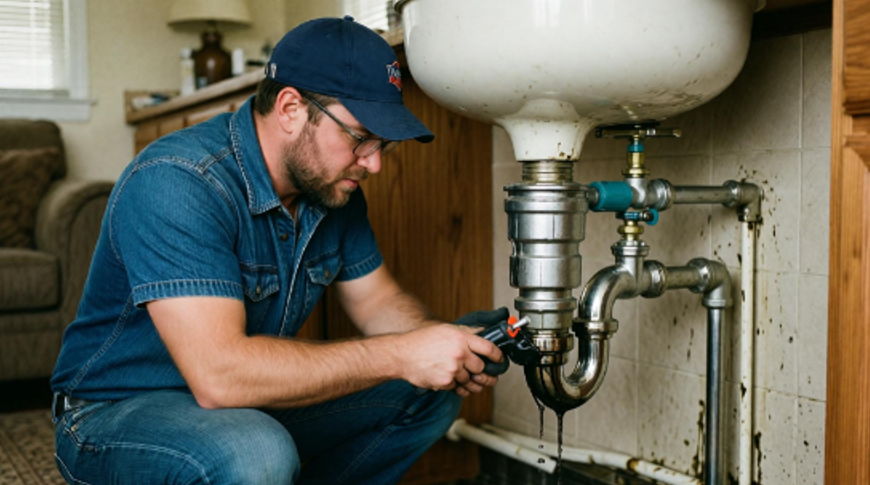
USA Home Services Pro offers complete plumbing services for homes. We handle leak repairs, pipe issues, toilet leaks, and gas line problems. We also provide new plumbing services for kitchens, bathrooms, and full home projects. Our licensed plumbers install pipes, fixtures, and water lines with proper standards. We focus on clear pricing, clean work, and long-term results. When you need repairs or new plumbing work, our team delivers reliable service you can trust.
How to prevent common plumbing leaks at home is one of the most important concerns for homeowners. Even a slow drip can waste gallons of water, raise utility bills, and damage walls or floors. Leaks often start small, but they grow fast when ignored. The good news is that many household plumbing problems can be avoided with simple care, regular checks, and timely action. This guide explains practical ways to reduce leak risks and protect your plumbing system.
Why Household Plumbing Leaks Start?
Plumbing leaks usually develop due to wear and stress. Pipes age over time and joints loosen slowly. In addition, mineral buildup from hard water narrows pipes and increases pressure. When pressure rises, weak points begin to fail.
Temperature changes also play a role. Pipes expand with heat and contract in cold conditions. Because of this movement, seals may crack or shift. Poor installation and low-quality materials further increase the chance of leaks. Understanding these causes helps homeowners stay alert and act early.
Spotting Early Warning Signs
Early detection makes a big difference. Many leaks show warning signs long before serious damage occurs. Watch for water stains on walls or ceilings. Damp cabinets under sinks are another red flag.
Unusual odors may point to trapped moisture. You may also hear dripping sounds when fixtures are off. A sudden jump in your water bill often signals hidden leaks. When these signs appear, plumbing leak detection should be done as soon as possible to avoid structural damage.
Preventing Leaks with Routine Inspections
Regular visual inspections are simple and effective. Once a month, check under sinks, behind toilets, and around appliances. Look closely at pipe joints and supply lines.
Pay attention to corrosion, loose fittings, or moisture buildup. Even a small drip should not be ignored. Routine inspections reduce the need for emergency plumbing leak repair and help maintain a healthy plumbing system.
Caring for Pipes the Right Way
Proper pipe care prevents many problems. Avoid pouring grease, oil, or food scraps down drains. These materials harden inside pipes and restrict flow. As pressure builds, pipes become more likely to crack. Use drain strainers in sinks and showers. They block hair and debris that cause clogs. Also, avoid chemical drain cleaners. While they work short term, they weaken pipes over time and increase leak risks.
Controlling Water Pressure
Excess water pressure is a silent threat. High pressure stresses pipes, valves, and fixtures. Over time, seals wear out faster and leaks develop. Most homes operate safely between 40 and 60 PSI. If pressure exceeds this range, a pressure-reducing valve may be required. A plumber for water leaks can test pressure accurately and recommend the right solution. Lower pressure extends pipe life and reduces strain.
Preventing Bathroom Plumbing Problems
Bathrooms contain several leak-prone fixtures. Toilets are a common source of hidden water loss. A worn flapper can allow water to flow continuously without noise.
To check, add food coloring to the toilet tank and wait several minutes. If color appears in the bowl, a leak exists. A plumber for leaking toilet issues can replace faulty parts quickly and restore proper function. Showers and tubs also need attention. Cracked caulking allows water to seep into walls. Replacing old sealant helps prevent mold and structural damage.
Protecting Kitchen Plumbing
Kitchen plumbing works hard every day. Sink traps, shutoff valves, and flexible hoses wear down over time. Regular checks reduce sudden failures. Dishwashers and refrigerators with water lines should be inspected behind the unit. Small leaks often go unnoticed in these areas. Tightening loose connections may help, but worn hoses should be replaced. Preventive steps reduce future plumbing pipe leak risks.
Seasonal Plumbing Maintenance Tips
Seasonal changes affect pipes differently. In winter, frozen pipes are a major concern. Insulate exposed pipes in basements and crawl spaces. During extreme cold, letting faucets drip slightly can prevent freezing.
In warmer months, outdoor plumbing needs care. Remove garden hoses before winter and shut off exterior valves. Sprinkler systems should be checked for cracks and leaks. Seasonal maintenance protects pipes year-round.
Using Modern Leak Detection Tools
Technology now plays a key role in leak prevention. Smart water sensors detect moisture near appliances and alert homeowners quickly. Some systems shut off water automatically when leaks are detected.
Whole-home monitoring systems track usage patterns. Sudden spikes may signal trouble. While professional plumbing leak detection remains essential, smart tools add another layer of protection and peace of mind.
Gas Line Safety and Leak Prevention
Not all leaks involve water. Gas line leaks are extremely dangerous and require immediate action. If you smell gas or hear a hissing sound, leave the area right away and shut off the gas supply if it is safe. Only a licensed gas leak plumber should handle gas line repairs. Never attempt DIY fixes. Regular inspections help reduce risks and keep households safe.
Acting Quickly When Leaks Appear
Delaying repairs allows water to spread and damage materials. Small leaks often grow into major problems within weeks. Tightening fittings may help briefly, but worn parts should be replaced. Professional plumbing leak repair provides long-lasting results. Skilled repairs restore system strength and prevent repeat failures. Quick action saves money and protects your home.
Building Leak-Prevention Habits at Home
Everyday habits influence plumbing health. Never flush wipes, paper towels, or hygiene products. These items clog pipes and increase pressure. Know the location of your main water shutoff valve. In emergencies, quick shutoff limits damage. Teaching family members proper plumbing habits reduces long-term risks and stress.
Why Choose USA Home Services Pro
USA Home Services Pro provides reliable plumbing solutions for residential properties. Our licensed technicians handle water leaks, pipe issues, toilet leaks, and gas line concerns with care and precision. We use proven tools to find problems fast and fix them the right way. Our team focuses on clear communication, honest pricing, and long-term results. When leaks threaten your home, We delivers dependable service you can trust.
Final Thoughts
Preventing plumbing leaks is easier than dealing with major repairs. Regular inspections, controlled water pressure, and timely repairs keep systems reliable. Smart tools and professional support add extra safety.
Leaks rarely fix themselves. Staying alert and proactive protects your home, lowers bills, and prevents costly damage. With consistent care, your plumbing system can serve your household reliably for many years.
 ”Need reliable plumbing help? Contact USA Home Services Pro today for fast, professional service you can trust.”
FAQ’s
Q. Can small leaks really cause major damage?
Ans. Yes. Small leaks weaken wood, drywall, and flooring over time. Moisture also leads to mold growth. Early plumbing leak repair prevents structural damage and keeps repair costs lower.
Q. Why does my toilet leak without making noise?
Ans. Toilet leaks often come from worn flappers or seals inside the tank. Water slowly flows into the bowl without sound. A plumber for leaking toilet issues can replace these parts quickly.
Q. How serious is a gas line leak?
Ans. Gas leaks are extremely dangerous. Signs include strong odors or hissing sounds. Leave the area immediately and contact a licensed gas leak plumber. Never attempt repairs yourself.
Q. Can regular maintenance really prevent most leaks?
Ans. Yes. Routine inspections, pressure control, and proper use reduce most household leaks. Consistent care extends pipe life and improves system reliability.
Q. Can high water pressure cause leaks?
Ans. Yes. It weakens pipes and fittings.
Q. What causes pipe joints to fail?
Ans. Age, pressure, and poor installation.
Q. Are flexible supply hoses reliable?
Ans. Only short term. They should be replaced often.