

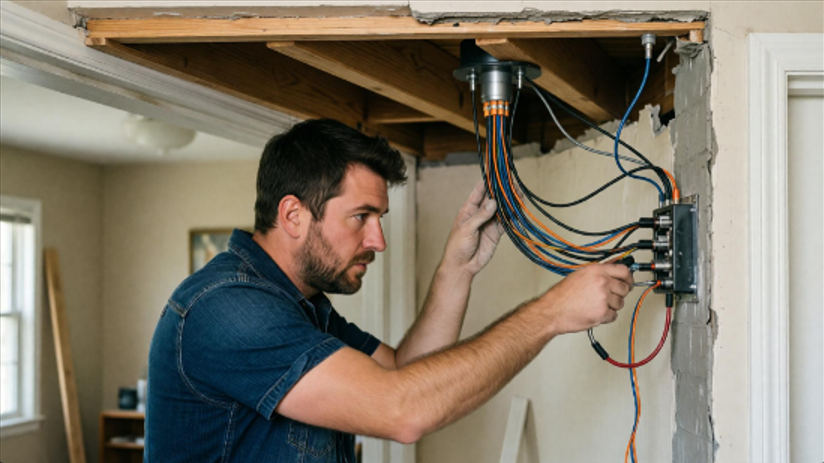
USA Home Services Pro helps homeowners stay safe during renovations by identifying hidden electrical Issues before they become serious hazards. Our team checks old wiring, overloaded circuits, and unsafe connections that are often hidden behind walls. We follow licensed standards on every job and focus on long-term safety, not quick fixes. From wiring upgrades to panel inspections, we provide reliable solutions that protect both your home and your family. We handle wiring upgrades and panel inspections to help keep your home and family protected.
Renovation exposes parts of a home that have not been seen for decades. Wiring ages quietly. Insulation dries out. Connections loosen slowly. These changes do not show on the surface. Once work begins, they become impossible to ignore.
Why Do Stay Out of Sight?
Most homes go many years without electrical updates. Owners replace paint, flooring, and fixtures. Wiring often stays untouched. Over time, damage builds without notice. Older homes were built for fewer electrical needs. Lights, radios, and small appliances once defined power use. Modern homes run many devices at once. Old systems were not built for this load. Small warning signs appear early. Breakers trip. Lights dim. Outlets feel warm. These signs are easy to dismiss. Renovation removes the chance to overlook them.

Aging Wires Inside Walls
Wiring materials wear down with age. For example, cloth-covered wires dry out and crack over time. When this happens, insulation fails and bare wires become exposed, which raises the risk of fire. Additionally, aluminum wiring creates another problem because it expands and contracts more than copper. As a result, this movement loosens connections. Over time, loose connections create heat, and consequently, that heat damages nearby materials.
Some homes still contain very old wiring methods. In many cases, these systems lack grounding and modern safety features. During renovation, these issues are often revealed without warning. Once discovered, replacement is usually required.
Circuits Carrying Too Much Power
Many older homes have limited circuits. Over the years, people added more devices without upgrading capacity. As a temporary solution, power strips and extension cords became long-term fixes. When walls are opened, electricians often find too many wires connected to one circuit. Because of this, the wires heat up during use. In some cases, insulation appears dark or brittle.
Renovation plans often add lighting, outlets, or appliances. This, in turn, increases power demand. Without proper upgrades, circuits may overload and eventually fail.
Unsafe Repairs From the Past
Not all electrical work was done properly. Some repairs were completed without permits. Others were rushed or done by untrained workers. Common findings include wire splices hidden in walls. Some connections rely only on tape. Junction boxes may be missing or buried. These methods increase fire risk. Renovation exposes these shortcuts. Repairs must be made before walls close. Fixing them restores basic safety.
Grounding Problems in Older Homes
Grounding protects people from electric shock. It also protects appliances. Many older homes lack proper grounding. Without grounding, metal fixtures may carry current. This creates shock risk. Renovation often requires grounded outlets. This reveals deeper wiring problems. Adding grounding may require new wiring runs. Some homes also need panel updates. These changes improve safety and system stability.
Damage Caused by Water Leaks
Water damage affects wiring more than many expect. Small leaks often go unnoticed for years. Moisture slowly corrodes metal parts. During renovation, signs of damage appear. Insulation may feel damp. Wires may show rust or decay. Even if leaks stopped long ago, damage remains. Affected wiring should be replaced. Drying alone does not restore safety. Renovation provides the best chance to correct the damage fully.
Rodent Damage Behind Walls
Rodents chew wire insulation for nesting. Their teeth expose live conductors. This damage stays hidden behind walls and floors. Exposed wires can spark. Sparks can ignite nearby materials. Many house fires start this way. Renovation often reveals nests and chewed cables. All damaged wiring should be replaced. Entry points should also be sealed.
Electrical Panels That Are Outdated
Older electrical panels support fewer circuits. Modern homes require much more power. Renovation often pushes panels past safe limits. Warning signs include frequent breaker trips. Some breakers fail to trip at all. This increases fire risk. Upgrading the panel improves safety. It also supports new circuits and appliances. While costly, it reduces long-term risk.
Wire Size That Does Not Match Breakers
Wires must match breaker ratings. Smaller wires overheat under load. This creates fire danger. This issue stays hidden until inspection. Renovation exposes these mismatches. Fixing them often requires new wiring runs. Correct wire size reduces heat buildup. It also extends system life.
Lighting Changes That Reveal Problems
New lighting plans often expose wiring issues. Recessed lights create more heat than older fixtures. Some older wires cannot handle this heat. Insulation contact increases fire risk. Renovation plans that add lighting often require wiring updates. Proper planning ensures safe installation. Updated wiring supports safe lighting use.
Electrical Safety in Kitchens and Bathrooms
Kitchens and bathrooms need extra protection. Water increases shock risk. Older wiring often lacks required safeguards. Outlets near sinks require special protection. Many older homes lack this feature. Renovation forces updates to meet safety rules. Upgrading wiring in these rooms improves safety. It also supports modern appliances.
Permits and Inspections Matter
Permits and inspections uncover problems early. Inspectors know where risks hide. They check work against safety rules. Skipping permits may save time early. Hidden problems remain unfixed. Issues may appear during resale or insurance reviews. Inspections protect homeowners. They confirm work meets safety standards.
Planning for Electrical Surprises
Older homes almost always hide electrical problems. Planning for repairs reduces stress. Setting aside budget space helps manage costs. Electrical work often affects timelines. Rewiring takes time. Rushing increases risk. Renovation is the best time to fix hidden problems fully. Delaying repairs increases danger later.
Final Thoughts
Electrical systems affect daily safety. Renovation brings hidden risks into view. Ignoring them leads to long-term problems. Fixing issues during renovation improves safety and reliability. Updated wiring supports modern living needs. A careful approach protects homes, families, and investments for years to come.
”Protect your renovation from hidden electrical issues contact USA Home Services Pro today for a professional inspection.”
FAQ’s
Q. What are hidden electrical issues in home renovations?
Ans. Hidden electrical issues are problems not immediately visible, such as outdated wiring, overloaded circuits, faulty grounding, or concealed damage behind walls and ceilings.
Q. How can hidden electrical problems affect a renovation project?
Ans. They can cause safety hazards, unexpected costs, project delays, failed inspections, and even fire risks if not addressed early.
Q. What are common signs of hidden electrical issues?
Ans. Frequent breaker trips, flickering lights, burning smells, warm outlets, buzzing sounds, or outdated fuse boxes may indicate underlying problems.
Q. How can homeowners prevent costly electrical surprises?
Ans. Hiring a licensed electrician, conducting a pre-renovation inspection, and budgeting for electrical upgrades can prevent unexpected expenses.
Q. Do home renovations require electrical upgrades?
Ans. Many renovations require electrical upgrades to meet current building codes, support increased power demand, and improve overall safety.