

The cheapest ways to insulate windows for winter can make a noticeable difference in how warm and comfortable your home feels during the colder months. Many homeowners focus on their heating systems when temperatures drop, but windows are often one of the biggest sources of heat loss. Even small gaps around window frames can allow warm air to escape and cold drafts to enter.
Poor window insulation does more than create an uncomfortable indoor environment. It can also increase energy bills because your heating system has to work harder to maintain a consistent temperature. Over time, those extra heating costs can add up.
The good news is that improving window insulation does not always require a major investment. Several low-cost solutions can help reduce drafts, improve energy efficiency, and keep your home warmer throughout winter. In this guide, we will look at five affordable ways to insulate windows, how they work, and when they may be the right choice for your home.
How Heat Escapes Through Windows
Windows naturally transfer heat more easily than insulated walls. During winter, warm indoor air moves toward the colder glass surface. At the same time, small openings around the window frame can allow heated air to leak outside.
Single-pane windows are especially vulnerable to heat loss, but even older double-pane windows can become less efficient over time. Cracked seals, worn weather barriers, and damaged frames can all contribute to energy loss.
When heat escapes through windows, your heating system has to run more frequently to maintain a comfortable temperature. That means higher energy consumption and increased utility costs.
Common Signs Windows Need Insulation
Sometimes the signs are obvious. Other times, they are easy to overlook.
Here are some common indicators that your windows may need better insulation:
* Cold drafts near windows
* Rooms that feel colder than the rest of the house
* Condensation forming on window glass
* Higher-than-normal heating bills
* Difficulty maintaining a consistent indoor temperature
* Visible gaps or cracks around window frames
If you notice one or more of these issues, adding insulation may help improve comfort and energy efficiency.

Impact of Drafty Windows on Energy Costs
Drafty windows can quietly increase your monthly heating expenses. Even a small air leak can reduce the effectiveness of your home’s insulation system.
When warm air escapes through poorly insulated windows, your furnace or heat pump must work longer to replace that lost heat. While a single draft may not seem significant, multiple leaks throughout a home can result in substantial energy waste during winter.
Addressing window insulation issues early can help reduce heating costs and create a more comfortable indoor environment throughout the season.
1. Spray Foam Insulation for Windows
Spray foam insulation is one of the most effective ways to seal larger gaps around window frames. It expands after application, filling spaces that may be difficult to reach with traditional insulation materials.
Low-expansion spray foam products are generally recommended for windows because they are designed to avoid putting excessive pressure on the frame.
Benefits of spray foam insulation include:
* Excellent air-sealing performance
* Long-lasting results
* Easy application around difficult gaps
* Improved energy efficiency
Although it costs slightly more than basic caulk, it remains an affordable solution for homeowners looking to stop significant air leaks.
2. Use Window Insulation Film
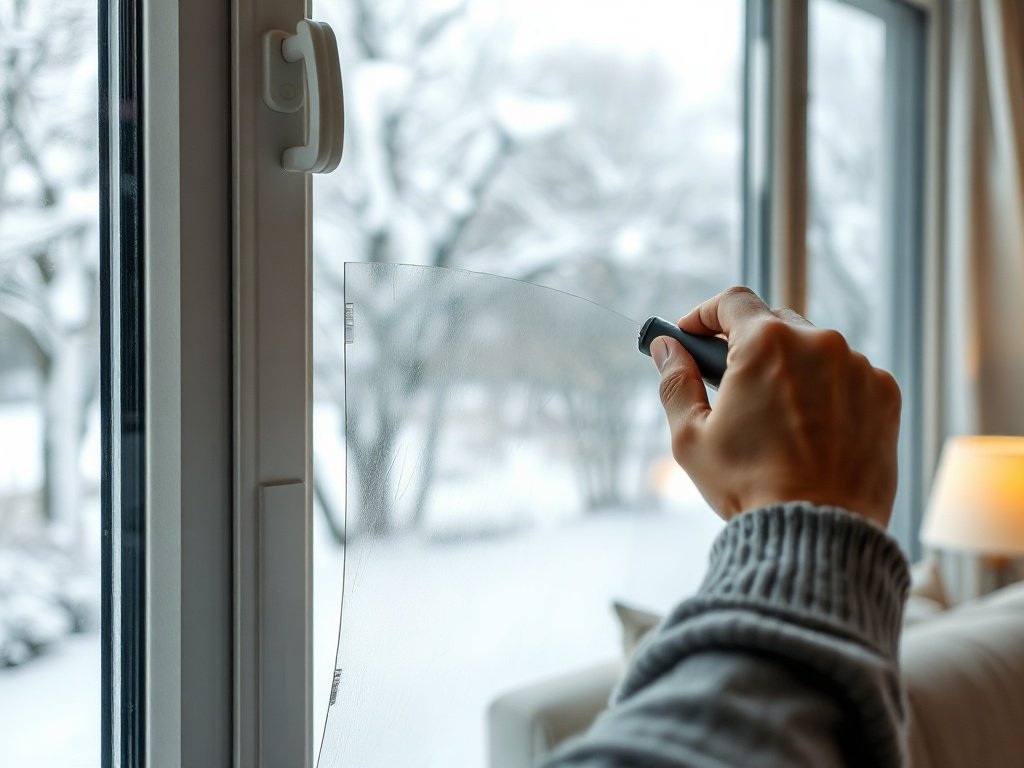
Window insulation film is one of the most popular budget-friendly winter insulation options. These kits typically include a clear plastic film that attaches to the interior window frame using double-sided tape.
Once installed, the film creates an additional barrier between the indoor air and the cold glass surface. This trapped layer of air helps reduce heat loss and drafts.
Advantages of window insulation film include:
* Low purchase cost
* Easy DIY installation
* Improved comfort near windows
* Clear appearance that allows natural light
Many homeowners are surprised by how effective this simple solution can be, especially for older windows during extremely cold weather.
3. Seal Gaps and Cracks with Caulk
Caulking is one of the least expensive and most effective ways to improve window insulation. Small cracks around window frames often go unnoticed, but they can allow a steady flow of cold air into the home.
Applying caulk helps create an airtight seal around stationary window components and prevents unwanted air movement.
For best results:
* Remove old or damaged caulk first
* Clean the area thoroughly
* Apply a smooth, continuous bead of caulk
* Allow sufficient drying time
A few dollars spent on quality caulk can often provide noticeable energy savings during winter.
4. Add Thermal or Insulated Curtains
Thermal curtains provide an additional layer of protection against heat loss. These specially designed curtains contain insulating materials that help reduce heat transfer through windows.
During winter, keeping thermal curtains closed at night can help retain warmth inside the home. Opening them during sunny days allows natural sunlight to contribute additional heat.
Benefits include:
* Reduced drafts
* Improved indoor comfort
* Better privacy
* Energy savings throughout the year
Unlike some temporary insulation methods, thermal curtains can also enhance the appearance of a room while providing practical benefits.
5. Install Interior Window Inserts
Interior window inserts are clear panels that fit inside existing window frames. They create an extra layer of insulation by trapping air between the insert and the window glass. While they cost more than caulk or insulation film, they are still far less expensive than replacing all your windows.
Many homeowners choose window inserts because they provide long-term benefits and can often be removed when they are no longer needed. They work particularly well in older homes where windows may still be structurally sound but lack modern energy efficiency features.
Some advantages of interior window inserts include:
* Reduced heat loss during winter
* Improved indoor comfort
* Lower heating costs
* Better noise reduction
* Easy maintenance
If you want a solution that lasts for multiple seasons, interior window inserts can be a worthwhile investment.

Conclusion
Keeping your home warm during winter does not always require expensive upgrades. These 5 cheapest ways to insulate windows for winter can help reduce drafts, improve comfort, and lower energy bills without straining your budget.
Simple solutions such as spray foam insulation, window insulation film, caulking, thermal curtains, and interior window inserts can all make a noticeable difference. In many cases, combining two or more of these methods provides even better results than relying on a single solution.
The best time to address window insulation issues is before temperatures drop significantly. Taking preventive action can help you stay comfortable throughout the season while reducing unnecessary energy costs.
However, if your windows are old, damaged, or no longer functioning properly, insulation products may only provide temporary relief. In those situations, professional window replacement may offer a more effective long-term solution, delivering better energy efficiency and lasting savings for years to come.
Frequently Asked Questions
What is the cheapest way to insulate windows for winter?
Caulking small gaps and cracks is usually the cheapest option. A tube of quality caulk costs very little and can significantly reduce drafts around window frames. Window insulation film is another affordable choice that delivers noticeable results.
What are the cheapest products to insulate windows for winter?
Some of the most affordable window insulation products include:
Window insulation film kits
Caulk
Spray foam insulation
Draft blockers
Thermal curtains
Weatherstripping materials
These products are widely available and generally easy to install without professional help.
Does window insulation film really work?
Yes. Window insulation film creates a layer of trapped air between the film and the glass, helping reduce heat transfer and drafts. It is one of the most cost-effective temporary insulation solutions for winter.
How do I install low-cost window insulation film at home?
Most insulation film kits follow a simple process:
1. Clean the window frame.
2. Apply the included double-sided tape.
3. Attach the plastic film carefully.
4. Use a hair dryer to shrink the film and remove wrinkles.
The process typically takes only a few minutes per window.
How much money can insulating windows save on energy bills?
Savings vary depending on the condition of your windows, local climate, and energy usage. However, reducing drafts and heat loss can lower heating costs and improve overall energy efficiency throughout the winter season.
Best affordable thermal curtains for cold windows.
Look for thermal curtains with multiple fabric layers and an insulated backing. Blackout thermal curtains are often a good option because they help block both cold air and heat transfer. Choosing curtains that extend beyond the window frame can further improve performance.
Can I insulate windows without replacing them?
Absolutely. Many homeowners improve window performance using insulation film, caulk, spray foam, thermal curtains, or interior window inserts. These solutions can help reduce heat loss without the cost of full window replacement.
What is the best temporary window insulation method for renters?
Window insulation film is often the best temporary solution for renters. It is affordable, easy to install, and can usually be removed without damaging the window frame. Thermal curtains are another renter-friendly option that requires no permanent modifications.