

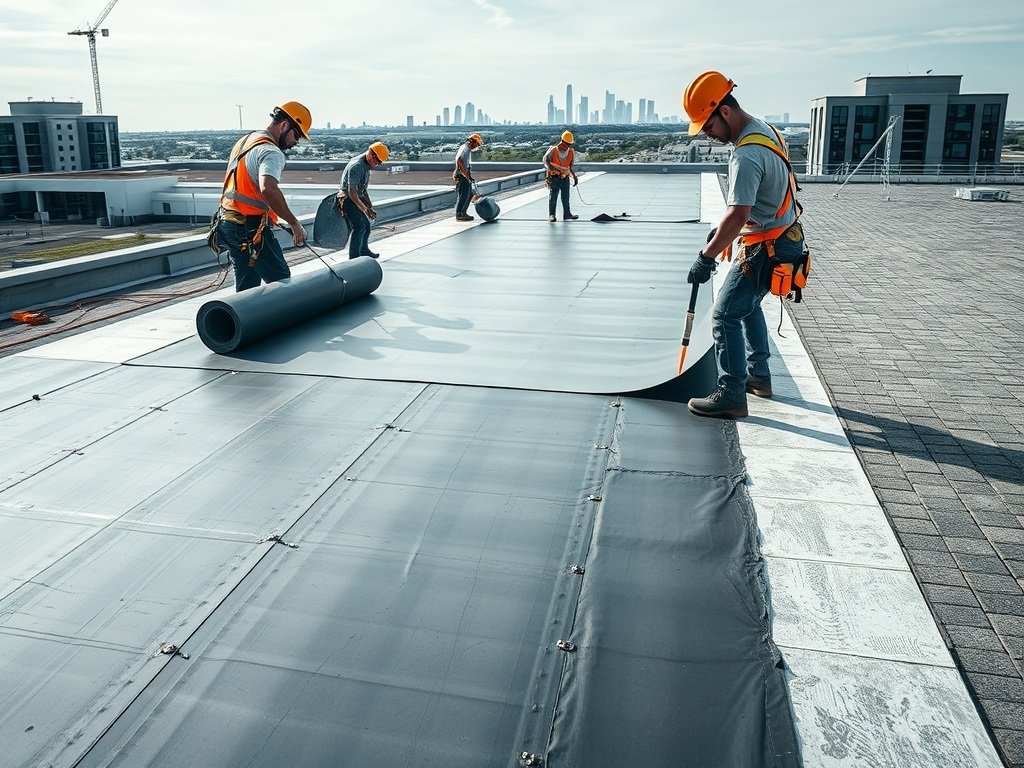
Commercial flat roof replacement is an important investment for both commercial buildings and residential properties dealing with aging or damaged roofing systems. Flat roofs and shingle roofs work very differently, which is why property owners often compare durability, maintenance, energy efficiency, and long-term costs before making a decision. Some buildings benefit from modern flat roof replacement systems, while others perform better with traditional shingles. It really depends on the structure, climate, and overall roofing goals. Choosing the right roof can help prevent leaks, reduce repair costs, and improve the lifespan of the property over time.
Commercial buildings often use flat roofing systems because they are practical and easier to install on large structures. Residential homes, on the other hand, usually rely on shingle roofs because of their appearance and durability. Still, both roofing systems have strengths and weaknesses. It really depends on the building, climate, and long-term budget.
Cost is another major factor. Some roofing systems are cheaper upfront but require more maintenance later. Others cost more initially, yet last much longer. Durability, maintenance needs, and energy efficiency all play a role when comparing roofing options.
Shingle roofing systems are common on homes and smaller buildings. Flat roofing systems are widely used for commercial properties because they support HVAC equipment and offer easier access for maintenance. Both systems continue evolving with modern materials and better weather protection.
Types of Roofs: Shingles
Roof shingles come in several styles and materials. Some focus on affordability, while others are designed for durability or appearance. Choosing the right type matters more than many people think.
Asphalt Shingles
Asphalt shingles are the most common roofing material in the United States. They are affordable, widely available, and relatively easy to install. Many homeowners choose them because they balance cost and performance well.
They also come in many roof shingle colors, making it easier to match different home styles. Lighter shades can help reflect heat, while darker colors create a more traditional appearance.
Most asphalt shingles last between 20 and 30 years, depending on weather conditions and maintenance.
Architectural Shingles
Architectural shingles are thicker and stronger than standard asphalt shingles. They create more dimension on the roof, which many homeowners prefer visually.
These shingles usually handle wind and harsh weather better, too. They cost more than traditional asphalt shingles, but many property owners feel the extra durability is worth it.
For homes in areas with strong storms or changing temperatures, architectural shingles can be a smart middle-ground option.
Luxury Shingles
Luxury shingles are designed to imitate high-end roofing materials like slate or wood shake. They offer a premium appearance without the extreme cost of natural materials.
They are heavier and more durable than standard shingles. Some even provide improved resistance against weather and impact damage.
Luxury roofing systems are often chosen for upscale residential properties where appearance matters just as much as performance.
Impact-Resistant Shingles
Impact-resistant shingles are built to handle hail, debris, and storm damage better than regular shingles. In some areas, they may even help lower insurance costs.
These shingles are useful in regions with frequent severe weather. They are stronger, though not completely damage-proof. Roofing materials can only take so much before repairs become necessary.
Many contractors recommend impact-resistant shingles for long-term protection.
Solar Roofing Shingles
Solar roofing shingles combine roofing material with solar technology. Instead of placing large solar panels above the roof, the shingles themselves generate energy.
They offer a cleaner look, though they are still more expensive than traditional roofing systems. Installation also requires experienced contractors.
Some newer systems even include metal roofing shingles designed to improve energy efficiency and durability together.
Commercial Flat Roof Replacement
Commercial roofs face different challenges than residential roofs. They cover larger areas, support equipment, and experience more drainage concerns. Because of that, commercial flat roof replacement requires careful planning.
A damaged flat roof can affect the entire building quickly. Water pooling, membrane cracks, and insulation issues are all common problems.
Best Roofing Systems for Commercial Buildings
Several roofing systems work well for commercial properties.
Some commercial properties also use composite roof shingles on sloped sections of mixed-design buildings. Others prefer cedar roof shingles for decorative architectural areas, though they require more maintenance.
The right roofing system depends on the building size, climate, and budget.
Flat Roof Drainage and Insulation Concerns
Drainage is one of the biggest concerns with flat roofs. Unlike sloped roofs, water does not naturally run off as quickly. Poor drainage can lead to standing water, leaks, and structural damage over time.
Before starting a flat roof replacement, contractors usually inspect drainage systems, insulation layers, and structural conditions carefully. A proper flat roof replacement estimate should include all of these factors, not just surface materials.
Minimizing Business Disruption During Replacement
Roof replacement on a commercial building can interrupt business operations if not managed correctly.
Professional roofing contractors often schedule work in phases to reduce disruptions. Some projects are completed during evenings or weekends to avoid affecting customers and employees.
In some situations, repair work may be enough temporarily. But repeated repairs can eventually cost more than a full replacement.
Conclusion
Flat roofs and shingle roofs both offer valuable benefits, but they serve different purposes. Flat roofing systems work well for commercial properties because they are practical and accessible. Shingle roofing remains popular for homes because of its appearance, flexibility, and material variety.
When comparing roofing options, property owners should look beyond the initial price. Lifespan, maintenance needs, weather resistance, and energy efficiency all affect long-term value.
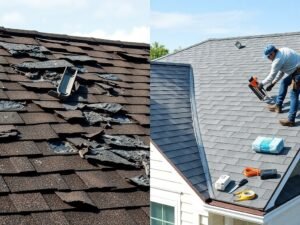
Whether you are considering flat roof replacement or replacing roof shingles, it helps to work with experienced roofing professionals. A proper inspection can identify hidden problems early and help you decide whether repair or replacement makes more sense for your property.
FAQs
Flat roof vs. shingles: Which lasts longer?
It depends on the material and maintenance. Many flat roofing systems last 20 to 30 years, while quality shingle roofs can last 25 years or more.
How long does a shingle roof last?
Most shingle roofs last between 20 and 30 years. Climate, ventilation, and maintenance can affect lifespan.
What are the best asphalt roofing shingles?
Architectural asphalt shingles are often considered one of the best options because they balance durability, appearance, and cost.
What are the most common types of roof shingles?
Asphalt shingles, architectural shingles, luxury shingles, and impact-resistant shingles are among the most common choices.
How many shingles are in a bundle of roofing shingles?
Most bundles contain enough shingles to cover about 33 square feet, though the exact number varies by manufacturer and shingle type.
What is included in a flat roof replacement estimate?
A flat roof replacement estimate usually includes labor, materials, insulation, drainage work, tear-off costs, and warranty details.
How does a flat roof replacement cost calculator work?
It estimates costs based on roof size, material type, labor rates, and additional repair needs.
When should you consider replacing roof shingles?
You should consider replacement when shingles curl, crack, lose granules, or when leaks become frequent.
Should you repair or replace roof damage?
Minor damage can often be repaired. However, widespread leaks, aging materials, or repeated issues may mean full replacement is the better long-term option.