

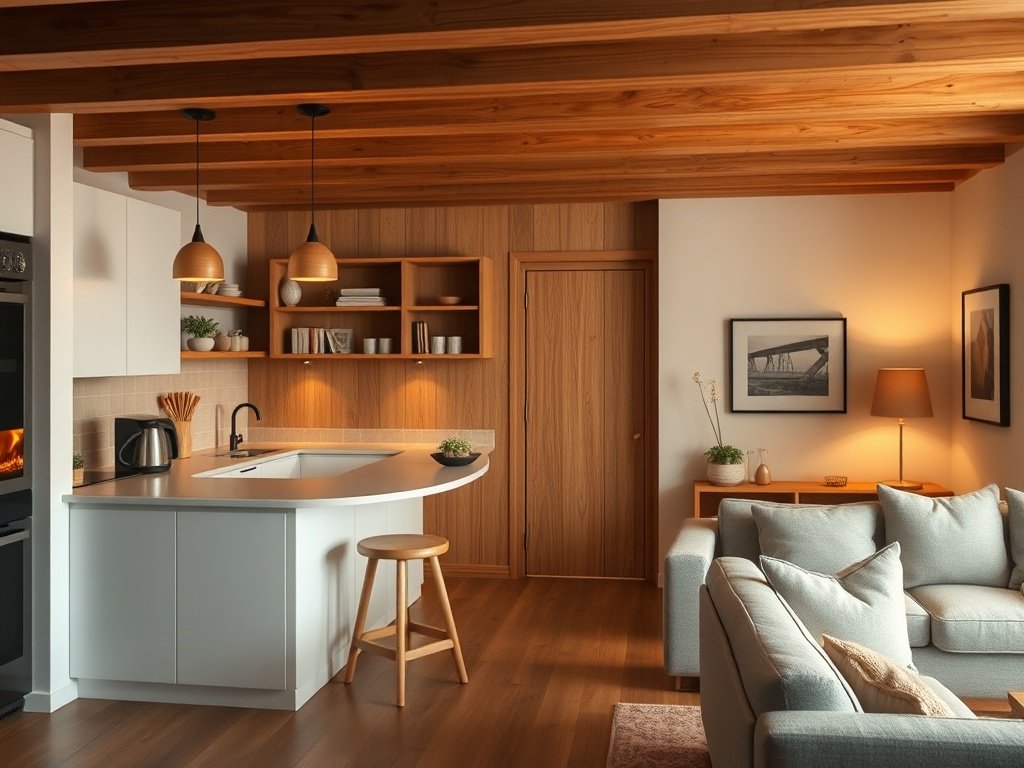
Basement Kitchenette Ideas can completely change how you use your lower space, turning an empty basement into a practical and comfortable part of your home. A basement does not have to feel dark, unfinished, or forgotten. Many US homeowners are now turning basement areas into useful living spaces, and adding a kitchenette is one of the smartest upgrades. It creates convenience, adds value to the home, and makes the basement feel more complete.
Some people use it for guests. Others want a small entertainment area, a rental setup, or a simple snack station for movie nights. The good thing is that even a compact basement can work beautifully with the right layout and design choices.
If you are looking for practical and stylish basement kitchenette ideas, this guide covers design inspiration, storage solutions, lighting, materials, and other details that truly make a difference.
9 Basement Kitchenette Design Ideas
1. Choose a Smart Layout for Your Basement
The layout is the foundation of every good kitchenette. Since basements usually have tighter dimensions, planning the space carefully matters more than expensive finishes.
A single-wall kitchenette works well in narrow basements. Everything stays along one wall, keeping the area open and uncluttered. If you want more counter space, a limited-space small L-shaped kitchen design can create better flow without making the room feel crowded.
Many homeowners also prefer a small open kitchen design because it blends naturally with the lounge or entertainment area. It feels less boxed in, especially in basements with low ceilings.
The goal is simple. Keep movement easy and avoid oversized cabinets or appliances.
2. Maximize Storage Without Overfilling the Room
Storage can be tricky in basement kitchens. You need enough room for dishes, snacks, and appliances, but too many cabinets can make the basement feel heavy.
Vertical storage works surprisingly well. Tall cabinets, floating shelves, and slim pantry units help save floor space. Open shelving can also make a small basement kitchen feel lighter, though it may need occasional organizing. Honestly, open shelves look amazing in photos, but they are not always perfect for everyone.
Hidden storage is another smart option. Seating benches with storage underneath or pull-out pantry drawers help keep clutter out of sight.
These ideas work especially well for small basement kitchen ideas where every inch matters.
3. Use Better Lighting to Brighten the Basement
Lighting changes everything in a basement. Even a beautifully designed kitchenette can feel dull with poor lighting.
Recessed ceiling lights are one of the best choices because they save overhead space. Under-cabinet lighting also adds warmth and improves visibility while cooking or preparing drinks.
Light-reflective finishes help too. Glossy backsplashes, glass accents, and lighter paint colors can make the kitchenette appear larger than it really is.
When choosing small kitchen colors, many homeowners go with white, cream, light gray, or soft beige. Dark colors can look elegant, but in a basement, they sometimes make the room feel smaller than expected.
If your basement has small windows, avoid blocking natural light with bulky furniture or oversized cabinets.
4. Add Compact and Smart Appliances
Large appliances can quickly overwhelm a basement kitchenette. Compact versions usually work better and still provide everything needed for daily use.
A smaller refrigerator, microwave drawer, or narrow dishwasher can save valuable room. Many homeowners also install a small kitchen sink instead of a full-size double basin. It creates more countertop space and keeps the kitchenette functional without feeling cramped.
Built-in appliances are another smart choice because they blend into cabinetry and create a cleaner appearance.
You do not need a massive kitchen setup downstairs. Most basement kitchenettes work best when they stay simple and practical.
5. Choose Durable Materials and Finishes
Basements often deal with moisture and temperature changes, so materials matter more than appearance alone.
Quartz countertops are popular because they resist stains and moisture well. They are also easy to maintain, which matters in busy homes. If you are searching for a countertop design for small kitchen areas, lighter quartz patterns with subtle veining usually help the space feel brighter.
Flooring should also handle basement conditions properly. Waterproof vinyl, ceramic tile, and sealed concrete are common options.
For homeowners exploring small kitchen floor tile ideas, larger tiles in lighter shades can visually open up the room. Smaller patterned tiles may look stylish, but sometimes they make compact spaces feel busier.
A balance between durability and comfort usually works best.
6. Experiment With Cabinet Colors and Styles
Cabinets define the personality of the kitchenette. Even a simple design can look custom with the right color combination.
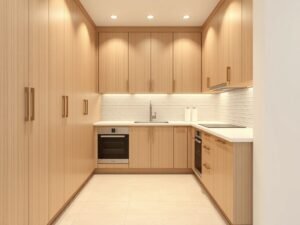
White cabinets remain one of the safest choices because they brighten the space naturally. However, soft green, navy blue, charcoal, and wood-tone finishes are becoming more popular in modern basement kitchenette ideas.
Some homeowners are also trying small two-tone kitchen cabinets. For example, darker lower cabinets paired with lighter upper cabinets can create depth without making the room feel too dark.
If you are wondering about the best cabinet color for small kitchen spaces, lighter tones generally create a more open appearance. Still, adding one bold accent color can give the basement character and warmth.
And yes, pink cabinet accents can actually work beautifully when paired with gold hardware or natural wood textures. It sounds risky at first, but in the right design, it feels modern rather than overwhelming.
7. Turn the Kitchenette Into an Entertainment Spot
One reason homeowners love kitchenette ideas for basement spaces is the entertainment potential.
A basement kitchenette can become the center of family movie nights, game days, or casual gatherings with friends. Adding bar stools, a beverage cooler, or a small snack station instantly makes the area more inviting.
Some homeowners combine the kitchenette with a basement bar or lounge area. Others keep it minimal with just a coffee station and microwave setup.
You do not need a luxury remodel to make the space enjoyable. Comfortable seating, practical lighting, and a simple layout often create the best atmosphere.
8. Plan for Ventilation and Moisture Control
This part is less exciting, but honestly, it matters just as much as design.
Basements naturally hold more moisture than upper floors. Proper ventilation helps prevent odors, humidity problems, and long-term damage.
If possible, include an exhaust fan or dehumidifier in the design plan. Moisture-resistant cabinets and flooring also help protect the kitchenette over time.
Electrical planning is another important step. Small appliances still require enough outlets and safe wiring placement.
Ignoring these details may save money upfront, but repairs later can become frustrating and expensive.
9. Finish the Space With Simple Decor
Decor is often the final touch that makes a basement kitchenette feel complete instead of temporary.
A few floating shelves, framed wall art, pendant lighting, or indoor plants can soften the space nicely. Textured rugs and warm wood accents also help basements feel less cold.
Try not to overcrowd the room with decorations. In smaller spaces, a few thoughtful pieces usually work better than too many accessories.
Simple details often have the biggest visual impact.
Conclusion
Creating a basement kitchenette is not only about adding cabinets and appliances. It is about making the basement feel functional, welcoming, and connected to the rest of the home.
Whether you prefer a modern layout, cozy entertainment area, or practical storage-focused design, the right choices can completely transform the space. From smart lighting to durable finishes and creative storage, these basement kitchenette ideas can help homeowners build a space that feels comfortable for everyday use.
Even small updates can make a noticeable difference. Sometimes the simplest ideas end up working the best.
FAQs
1. What is a basement kitchenette?
A small kitchen setup in the basement with basic appliances for light cooking and storage.
2. Do I need a permit for a basement kitchenette?
In many US areas, yes. It depends on plumbing and electrical work.
3. What is the best layout for a small basement kitchenette?
A single-wall or L-shaped layout works best for limited space.
4. How can I make a basement kitchenette brighter?
Use light colors, good lighting, and reflective surfaces like glossy tiles or quartz.
5. What appliances are best for small basement kitchens?
Compact refrigerators, microwave drawers, and small sinks are ideal.