

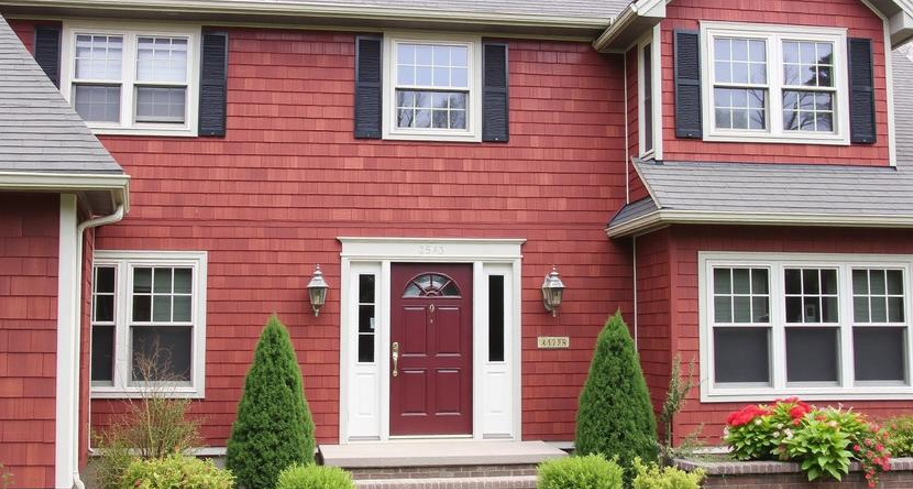
If you’re looking for the best wood siding choices for different climates, USA Home Services Pro can guide you through every step. Our team specializes in selecting and installing wood siding that performs in your local weather conditions. Whether your home is in a hot, cold, humid, or coastal area, we provide expert advice and professional installation to ensure your siding lasts longer, looks great, and protects your home efficiently.
Choosing the best wood siding choices for different climates is not just a design decision. It is a performance decision that affects durability, maintenance, and long-term cost. Wood siding offers warmth, texture, and natural appeal. However, wood reacts to weather more than most exterior materials. Temperature shifts, moisture levels, and sun exposure all influence how siding ages. When the wrong wood is used, problems appear early. When the right wood is chosen, siding lasts for decades.
How Climate Influences Wood Siding Performance?
Wood is a living material, even after it is cut and installed. It expands and contracts with temperature changes. It absorbs and releases moisture depending on humidity levels. Because of this, climate must guide every siding choice.
In hot regions, wood can dry too quickly. In cold areas, freeze-thaw cycles stress the boards. Wet climates, moisture leads to rot and mold. These issues are not defects. They are natural reactions.
When wood siding matches the climate, movement is controlled. Damage is reduced. Maintenance becomes predictable instead of constant. As a result, the siding protects the home more effectively.
Main Climate Types Homeowners Should Consider
Most homes fall into one of these climate categories:
- Hot and dry
- Cold and snowy
- Humid and rainy
- Coastal
- Mixed or seasonal climates
Each climate places different demands on wood siding. Some woods resist moisture better. Others handle heat or freezing conditions more effectively. Because of this, no single wood is ideal for every location.
Best Wood Siding for Hot and Dry Climates
Hot and dry climates expose siding to intense sun and high temperatures. Moisture loss is the main concern. When wood dries too fast, cracking and splitting occur.
Cedar Wood
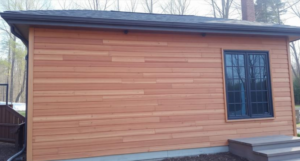
Cedar is widely used in hot, dry regions. It contains natural oils that slow moisture loss. This reduces cracking and surface checking. Cedar also resists insects, which is important in warm areas. Additionally, cedar remains relatively stable under heat. While some movement occurs, it is less severe than with many other woods. With regular sealing, cedar performs well in long periods of sun exposure.
Redwood
Redwood is dense and naturally resistant to heat damage. It shrinks less than softer woods and holds its shape well. Because of this, it is often chosen for homes in dry climates. Redwood does cost more than most options. However, its long lifespan often offsets the higher upfront expense when maintenance is done correctly.
Best Wood Siding for Cold and Snowy Climates
Cold climates place stress on siding through repeated freezing and thawing. Snow buildup also increases moisture exposure.
Engineered Wood Siding
Engineered wood siding is designed for stability. It is made by bonding wood fibers under controlled conditions. This structure limits expansion and contraction. Because of this, cracking and splitting are reduced. Moisture resistance is also improved. Engineered wood is commonly used in regions with long winters and heavy snowfall.
Cypress Wood
Cypress contains natural compounds that resist decay. Its tight grain limits moisture absorption, which is important in snowy climates. When properly sealed, cypress handles freezing temperatures well. Regular inspections help prevent water intrusion during snowmelt periods.
Best Wood Siding for Humid and Rainy Climates
High humidity and frequent rainfall are the most damaging conditions for wood siding. Moisture resistance becomes the top priority.
Western Red Cedar
Western red cedar performs well in wet climates. It resists moisture and dries faster than many other woods. This reduces the risk of rot and mold growth. Cedar’s lightweight structure also helps prevent long-term water retention. With consistent maintenance, it remains reliable in rainy environments.
Pressure-Treated Pine
Pressure-treated pine is treated with preservatives that improve moisture and insect resistance. It is more affordable than cedar and widely available. However, untreated pine should never be used in humid climates. Only pressure-treated versions provide adequate protection.
Best Wood Siding for Coastal Climates
Coastal climates combine high humidity, salt air, and strong winds. Salt exposure accelerates corrosion and finish breakdown.
Cedar and Redwood
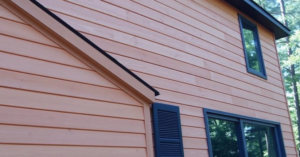
Cedar and redwood are both suitable for coastal homes when properly protected. Their natural resistance to decay helps offset moisture exposure. Salt-resistant sealants and corrosion-resistant fasteners are required. Annual inspections are also recommended to manage wear caused by salt air.
Wood Siding Choices by Climate (Quick Comparison)
| Climate Type | Recommended Wood Options |
|---|---|
| Hot & Dry | Cedar, Redwood |
| Cold & Snowy | Engineered Wood, Cypress |
| Humid & Rainy | Western Red Cedar, Treated Pine |
| Coastal | Cedar, Redwood |
This comparison helps narrow choices based on environmental conditions.
Maintenance Needs Across All Climates
No wood siding is maintenance-free. Climate determines how often care is required, but basic tasks remain consistent.
Maintenance typically includes:
- Sealing or staining every 3–5 years
- Inspecting for cracks and gaps
- Cleaning mold or mildew when present
- hecking for insect activity
Neglect allows small issues to grow into major repairs. Regular upkeep protects both appearance and structure.
Cost vs. Long-Term Performance
Lower-cost wood siding may appear attractive at first. However, frequent repairs often increase overall expenses. In contrast, climate-appropriate wood lasts longer and performs more consistently. Upfront cost should be weighed against lifespan, maintenance frequency, and repair risk. In many cases, higher-quality wood reduces total ownership cost.
Sustainability and Environmental Impact
Wood siding is renewable when sourced responsibly. Many manufacturers use managed forests and sustainable harvesting practices. Engineered wood also reduces waste by using wood fibers efficiently. Homeowners concerned about environmental impact should verify sourcing and certifications. Performance and sustainability can coexist when materials are chosen carefully.
Installation Quality Matters
Even the best wood siding will fail if installed incorrectly. Proper spacing, flashing, and ventilation are essential. Moisture must be able to escape. Boards must be allowed to expand and contract naturally. These details affect longevity as much as wood selection. Professional installation reduces long-term risk and improves performance in all climates.
Final Thoughts
Choosing the best wood siding choices for different climates requires understanding how wood reacts to its environment. Climate, moisture exposure, temperature changes, and maintenance expectations should guide every decision. When wood siding is matched correctly to local conditions, it performs better, lasts longer, and protects the home more effectively.
Careful selection and regular maintenance allow wood siding to remain one of the most durable and attractive exterior options available.
 ”Contact USA Home Services Pro today for professional wood siding services designed to perform in your climate.”
FAQ’s
Q. Which wood siding lasts the longest?
Ans. Cedar and redwood often last 30–50 years with proper maintenance.
Q. Is engineered wood suitable for wet climates?
Ans. Yes, when installed and sealed correctly, it performs well in moisture-prone areas.
Q. Can wood siding be painted or stained?
Ans. Yes. Both options work when finishes are matched to climate conditions.
Q. How often should wood siding be inspected?
Ans. At least once per year, or after severe weather events.
Q. Which wood siding needs the least maintenance?
Ans. Engineered wood generally requires less maintenance than solid wood. Cedar also performs well when sealed regularly.
Q. Can wood siding resist insects?
Ans. Certain woods like cedar and cypress naturally resist insects. Pressure treated wood also offers protection due to chemical treatment.