

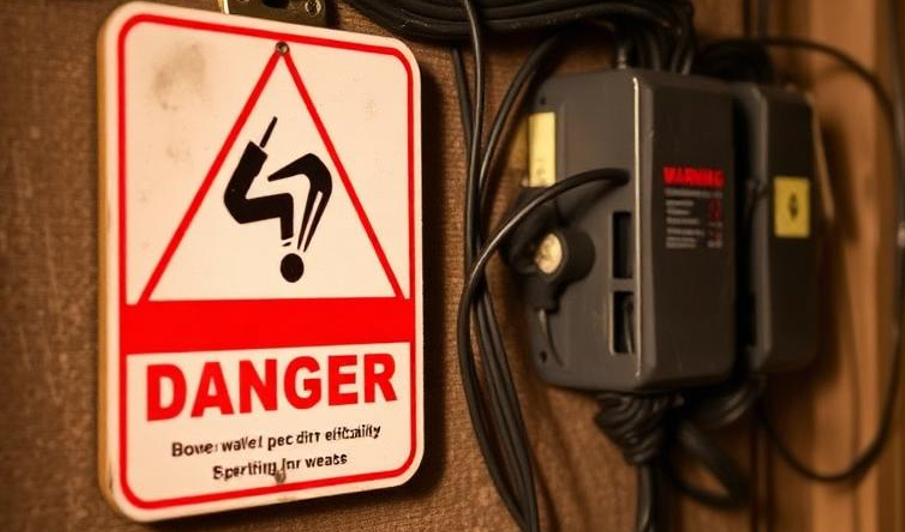
At USA Home Services Pro, we handle complete electrical services, including inspections, repairs, and new electrical wiring installations. Many homeowners overlook the warning signs your electrical wiring is dangerous, even though these problems can lead to fires, power failures, and safety risks. Our licensed electricians not only fix existing wiring issues but also install safe, modern wiring systems for new construction, renovations, and home upgrades to keep your property fully protected.
Electrical wiring problems are one of the top causes of house fires in the U.S. Many homeowners miss early warning signs because they are easy to ignore. However, unsafe wiring puts your family, property, and appliances at serious risk. Knowing what to watch for helps you act before a small issue becomes a costly emergency.
Why Dangerous Electrical Wiring Is a Serious Risk?
- Faulty wiring can overheat.
- It can spark behind walls.
- It can damage electronics.
- In worst cases, it can start fires without warning.
- Older homes face higher risk.
- DIY repairs also increase danger.
- Overloaded circuits and outdated materials fail under modern power demands.
Early detection saves lives and money.
Frequent Circuit Breaker Trips
Circuit breakers protect your home. They trip when they sense overload or short circuits. If breakers trip often, it is not normal.
Possible causes include:
- Overloaded circuits
- Damaged wiring
- Loose connections
- Aging electrical panels
Resetting the breaker again and again is unsafe. This is one of the clearest warning signs your electrical wiring is dangerous.
Flickering or Dimming Lights
Lights should stay steady. Flickering lights often signal wiring trouble.
This problem may happen when:
- Large appliances turn on
- Multiple rooms share one circuit
- Wires are loose behind walls
If bulbs are new and still flicker, wiring is the likely issue.
Burning Smell or Scorch Marks
A burning odor near outlets, switches, or panels is serious. It often means wires are overheating.
You may also see:
- Brown or black marks on outlets
- Melted plastic covers
- Warm wall surfaces
Turn off power immediately and call a licensed electrician. Do not ignore this sign.
Buzzing or Crackling Sounds
Electrical systems should be silent. Buzzing sounds from outlets or switches suggest loose wiring or faulty connections. Crackling noises point to arcing electricity, which is extremely dangerous. This is not a cosmetic issue. It requires urgent professional inspection.
Warm or Shocking Outlets and Switches
Outlets and switches should feel cool.If they are warm, electricity is not flowing correctly. You may also feel a mild shock when plugging in devices. This often indicates:
- Improper grounding
- Damaged wires
- Loose terminals
These conditions increase fire and electrocution risk.
Outdated Wiring Systems
Older homes may still use unsafe wiring types.
Common outdated systems include:
- Aluminum wiring
- Knob-and-tube wiring
- Cloth-insulated wiring
These materials were not designed for today’s power usage. They degrade over time and fail under heavy loads. Upgrading is often the safest option.
Discolored or Loose Outlets
Outlets should be secure and clean. Warning signs include:
- Yellowing or dark stains
- Outlets pulling away from the wall
- Plugs falling out easily
These signs show internal wear or overheating. Loose outlets also cause arcing behind walls.
Overuse of Extension Cords
Extension cords are temporary solutions. Using them daily means your home lacks enough outlets. This overloads circuits and stresses wiring. If multiple rooms rely on extension cords, your electrical system needs an upgrade.
Sparks When Plugging In Devices
Small sparks can happen occasionally. Large or frequent sparks are dangerous. They indicate:
- Worn outlets
- Poor connections
- Moisture issues
This is another strong warning sign your electrical wiring is dangerous.
Rodent Damage to Wires
Rodents chew wiring insulation. This exposes live wires. Signs include:
- Tripping breakers
- Burning smells
- Visible wire damage in basements or attics
Chewed wiring creates high fire risk and must be repaired fast.
GFCI Outlets Missing in Wet Areas
Bathrooms, kitchens, and garages require GFCI outlets. If your home lacks them, shock risk increases near water sources. This is common in older homes and should be corrected for safety and code compliance.
How USA Home Services Pro Can Help
USA Home Services Pro provides professional electrical inspections, repairs, and full wiring upgrades. Our licensed electricians identify hidden risks and fix problems the right way.
We offer:
- Whole-home wiring inspections
- Outlet and switch replacement
- Electrical panel upgrades
- GFCI and AFCI installation
- New wiring for renovations
Our team follows U.S. safety codes and uses quality materials. We focus on long-term safety, not quick fixes.
What to Do If You Notice These Warning Signs
- Stop using affected outlets or switches
- Turn off power if smells or heat are present
- Avoid DIY electrical repairs
- Call a licensed electrician
Fast action reduces damage and keeps your home safe.
Final Thoughts
Ignoring electrical warning signs is risky. Small symptoms often hide serious hazards behind walls. Paying attention now can prevent fires, injuries, and expensive repairs later. If you suspect a problem, professional help is the safest choice.
 ”Protect your home and family today. Contact USA Home Services Pro for a complete electrical safety inspection. Our expert electricians are ready to help you fix problems before they turn dangerous.”
FAQ’s
Q. How do I know if my wiring is dangerous?
Ans. Look for frequent breaker trips, burning smells, warm outlets, and flickering lights.
Q. Is flickering always a wiring problem?
Ans. Not always, but consistent flickering usually indicates loose or overloaded wiring.
Q. How often should wiring be inspected?
Ans. Every 5–10 years, or sooner if you notice warning signs.
Q. Do warm outlets mean immediate danger?
Ans. Yes. Warm or hot outlets indicate overheating and should be checked right away.
Q. What does a burning plastic smell usually mean?
Ans. It often means wire insulation is melting due to overheating.
Q. Are buzzing outlets an emergency?
Ans. Yes. Buzzing often signals loose or arcing wires that can start fires.
Q. Is aluminum wiring still allowed in homes?
Ans. It exists in older homes but is considered risky and often needs upgrades.
Q. Can loose outlets damage appliances?
Ans. Yes. Poor connections can cause power surges that harm electronics.
Q. What rooms are most at risk for wiring issues?
Ans. Kitchens, bathrooms, garages, and older living areas face higher risk.