

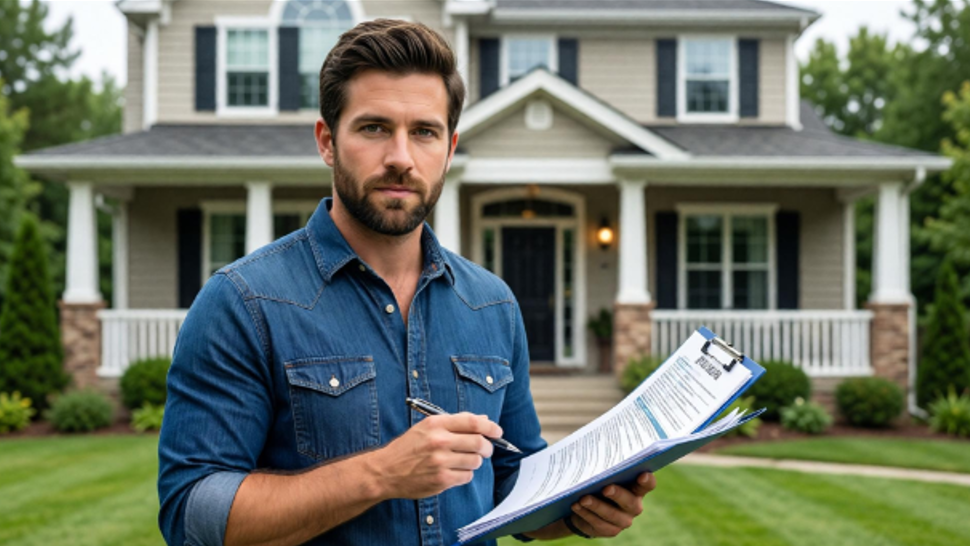
At USA Home Services Pro, we provide professional home inspection services for buyers and sellers. Our team checks roofs, plumbing, electrical systems, HVAC, and structure thoroughly. We deliver a clear home inspection report so you know exactly what needs attention. Whether you are buying, selling, or maintaining your home, our inspections help protect your investment. We focus on accuracy, safety, and detailed reporting, so you can make confident decisions about your property.
A home inspection is a thorough check of a house’s condition, usually before buying or selling. It finds hidden problems with structure, systems, and safety. Home inspections show buyers what repairs may be needed. They also help sellers understand issues before listing. Inspections focus on major areas like the roof, foundation, plumbing, electrical systems, and HVAC. They can note minor issues too. Understanding a home inspection helps people make better decisions and avoid surprises after moving in.
Why Home Inspections Are Important?
Home inspections find problems that a casual walkthrough can miss. They protect buyers from expensive repairs later. Sellers benefit by fixing issues beforehand. Inspections document the home’s condition for legal protection. Even new homes can have defects. A professional inspector checks the structure, systems, and safety features. The findings are unbiased. Buyers and sellers get a clear picture of the property’s condition.
Who Performs a Home Inspection?
Home inspection services are done by licensed or certified inspectors. Inspectors know how to spot problems in structure, plumbing, electrical, and safety systems. They follow a checklist to make sure nothing is missed. Some inspectors focus on older homes; others check new builds. Many have experience in construction, plumbing, or electrical work. Inspectors do not fix issues. They provide a clear, detailed report.

What Does a Home Inspection Include?
A home inspection looks at several areas:
- Roof: Leaks, damaged shingles, drainage issues
- Foundation: Cracks, water damage, settling
- Plumbing: Leaks, pipe condition, water pressure
- Electrical: Outlets, wiring, panels
- HVAC: Heating and cooling systems
- Interior: Walls, ceilings, windows, doors, floors
- Exterior: Siding, decks, driveways, drainage
Some inspections include appliances, attics, or insulation. Inspectors note urgent problems and maintenance issues.
How Long Does a Home Inspection Take?
Most home inspections take 2 to 4 hours depending on size and age of the home. Larger or older homes may take longer. Inspectors work carefully, checking all areas. They take photos and notes for the home inspection report. Buyers are encouraged to attend. Seeing issues firsthand helps understand the home better.
What Is Included in the Home Inspection Report?
A home inspection report summarizes findings clearly. It usually contains:
- Photos of defects or problem areas
- Notes on safety issues
- Recommendations for repairs or maintenance
- Condition of home systems
- Estimated lifespan of major components
Reports do not include repair costs. They help buyers decide on repairs or price adjustments. They also guide future maintenance.
Common Problems Found During Home Inspections
- Some issues are often found:
- Roof leaks or missing shingles
- Foundation cracks or settling
- Outdated or unsafe wiring
- Plumbing leaks or corroded pipes
- Poor drainage around the home
- HVAC system problems
- Mold, moisture, or pests
Finding problems early saves money and prevents bigger issues later.

Types of Home Inspections
Not all inspections are the same. Common types include:
- Pre-purchase inspection: Before buying a home
- Pre-listing inspection: Done by sellers before selling
- New construction inspection: For new or under-construction homes
- Specialty inspection: Focused on mold, radon, or pests
Choosing the right type ensures all important areas are checked.
How to Prepare for a Home Inspection?
Sellers can prepare by:
- Cleaning the home and clearing clutter
- Making sure basements, attics, and crawl spaces are accessible
- Fixing minor issues if possible
- Testing smoke and carbon monoxide alarms
Buyers should:
- Attend the inspection
- Ask questions
- Take notes and photos
- Review the home inspection report carefully
Preparation helps the inspection run smoothly.
Red Flags to Watch For
Some issues need immediate attention:
- Exposed wiring or faulty electrical panels
- Major structural damage
- Plumbing leaks or water damage
- Mold or pest infestations
- Broken heating or cooling systems
These problems affect safety and may need urgent repair.
Benefits of Attending the Inspection
Attending the inspection allows buyers to:
- See problems firsthand
- Ask questions and get advice
- Understand home systems
- Avoid surprises after buying
- Make informed repair decisions
Being present adds confidence to the process.
Cost of a Home Inspection
The cost of a home inspection varies by home size, location, and type. Most range from $300 to $600. Specialty inspections, like mold or radon, cost extra. This cost is small compared to repair expenses later. Investing in a home inspection protects your money and prevents surprises.
After the Home Inspection
After the inspection:
- Review the home inspection report
- Discuss findings with a real estate agent
- Decide on repairs or price adjustments
- Plan future maintenance
- Keep the report for reference
The report guides decisions and protects your investment.
Final Thoughts
A home inspection is essential for buyers and sellers. It uncovers hidden problems and protects investment. Home inspections evaluate structure, systems, and safety. Attending the inspection improves understanding. Preparing for it makes the process smoother. The home inspection report guides repairs and maintenance. Knowing the cost of a home inspection helps with budgeting. Using professional home inspection services ensures safety, reliability, and peace of mind.
 ”Protect your home and investment with a professional home inspection. Contact USA Home Services Pro today to schedule your inspections and receive a detailed home inspection report. Make informed decisions and avoid costly surprises.”
FAQ’s
Q. How long does a home inspections take?
Ans. Most home inspections take 2 to 4 hours. Larger or older homes may take longer.
Q. Can I attend my home inspection?
Ans. Yes. Buyers are encouraged to attend. It helps you understand issues and ask questions.
Q. Do inspectors provide repair estimates?
Ans. No. Inspectors report problems and recommend repairs, but they do not give cost estimates.
Q. What is included in specialty inspections?
Ans. Specialty inspections may check for radon, termites, mold, lead, asbestos, or structural issues beyond a standard inspection.
Q. What areas does a home inspection cover?
Ans. A home inspection usually covers the roof, foundation, plumbing, electrical systems, HVAC, interior, and exterior.
Q. Do I need a home inspection for a new home?
Ans. Yes. Even new construction can have defects or incomplete work that needs attention.