

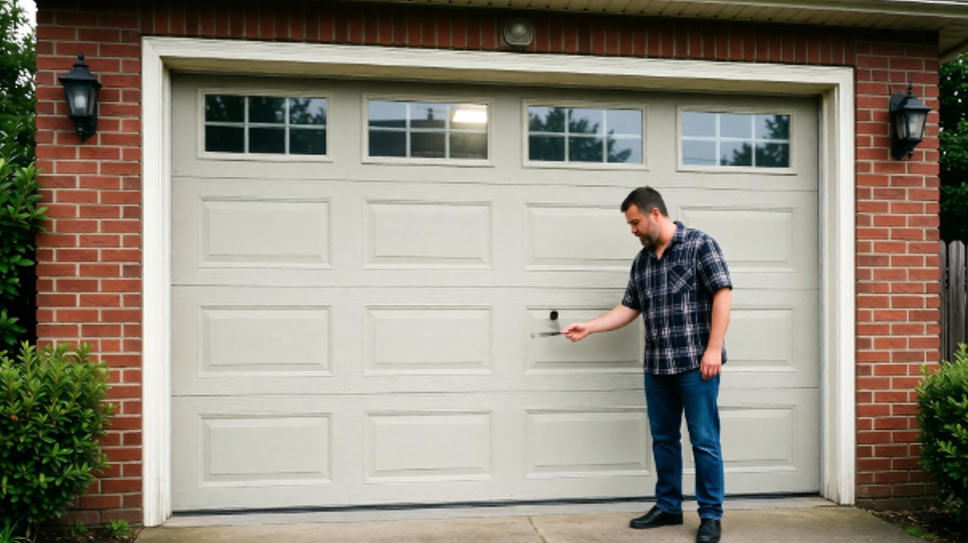
USA Home Services Pro provides both expert repairs and new garage door installation, ensuring proper alignment, smooth operation, and long-term reliability. Their professional team handles everything from replacing worn parts to installing complete new doors, testing balance and safety, and making sure every garage door operates efficiently for years to come.
Common garage door problems homeowners ignore and their fixes usually begin as small changes that do not seem urgent. A door may make more noise than before, move slower, or stop short of closing. Because the garage door still works, many homeowners delay repairs. Over time, these small issues place extra stress on parts that are already under load. This leads to higher repair costs, safety risks, and unexpected breakdowns. Knowing what problems are often overlooked helps homeowners take action before serious damage occurs.
Excessive Noise During Operation
A garage door should move with a steady and controlled sound. Loud grinding, squeaking, or rattling noises are not normal. These sounds usually increase slowly, which makes them easy to ignore.
Noise is often caused by dry rollers, worn hinges, or loose hardware. When metal parts rub without lubrication, friction builds. This causes faster wear and puts strain on the opener. Lubricating rollers, hinges, and springs with a silicone-based product reduces friction. Loose bolts and brackets should also be tightened. If rollers are cracked or worn flat, they should be replaced to prevent track damage.
Slow or Delayed Door Movement
When a garage door hesitates before opening or closing, it is a sign that something is not working correctly. Many homeowners accept the delay and continue using the door as usual. Slow movement is often linked to dirty safety sensors, track resistance, or opener settings. Sensors can be blocked by dust, moisture, or debris. Cleaning and realigning them often restores normal operation. Tracks should be checked for dirt, dents, or buildup. If the door still moves slowly, the opener force or travel limits may need adjustment by a professional.
Door Does Not Close Completely
A door that stops before reaching the ground creates a security and insulation problem. Even a small gap allows air, moisture, insects, and rodents to enter the garage. This issue is commonly caused by sensor interference or incorrect limit settings. Sensors should be checked for alignment and obstructions. If the sensors are clear, the opener’s close-limit setting may need adjustment. Worn or damaged weather stripping can also prevent a proper seal. Replacing it improves insulation and helps the door close fully.
Uneven or Crooked Movement
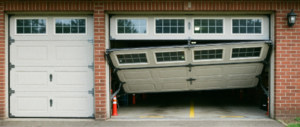
A garage door that lifts unevenly or appears tilted should never be ignored. This problem often gets worse with continued use.
Uneven movement usually points to cable wear, roller damage, or track issues on one side of the door. When tension is not evenly distributed, parts on one side carry more load. This increases the risk of cable failure. Visual inspection may reveal loose cables or bent tracks. Because cables are under high tension, repairs should be handled by trained technicians to avoid injury.
Worn or Failing Springs
Springs support the weight of the garage door. As they wear out, the door becomes harder to lift and puts extra strain on the opener. Spring wear happens gradually, so homeowners often adjust to the added resistance without realizing the risk. When a spring breaks, the door may slam shut or refuse to open. This can damage vehicles or cause injury. Springs should always be replaced by professionals due to the tension involved. Routine inspections help identify weak springs before failure occurs.
Remote Control and Keypad Problems
Remote and keypad issues are often blamed on dead batteries. While battery replacement is important, repeated failures usually point to another cause.
Worn buttons, signal interference, or receiver problems can affect performance. Remotes may need reprogramming if signals become inconsistent. Older opener systems may struggle with newer devices or interference from nearby electronics. If problems continue, replacing the remote or upgrading the opener may be the most reliable solution.
Track Alignment Problems
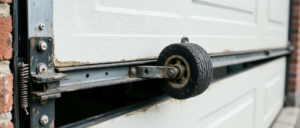
Garage door tracks guide the door during opening and closing. When tracks shift or bend, the door may shake, bind, or jerk.
Because the door still moves, many homeowners ignore the problem. Continued use can damage rollers and cause panels to warp. Tracks should be inspected for gaps, bends, or loose mounting brackets. Minor alignment issues can sometimes be corrected by adjusting fasteners. Severely damaged tracks should be replaced to prevent further wear.
Lack of Routine Maintenance
Many garage door problems develop because basic maintenance is skipped. Garage doors have more moving parts than most homeowners realize.
A simple maintenance routine includes lubricating moving parts, tightening hardware, checking door balance, and inspecting cables and springs. These checks reduce wear and improve performance. While homeowners can handle basic care, a professional inspection once a year helps catch problems that are not visible during casual use.
Damage From Weather Exposure
Weather slowly affects garage door materials. Metal parts can rust, and wooden doors can swell or crack. Heat and cold also affect springs and seals.
Because weather damage happens over time, it is often ignored until visible damage appears. Regular cleaning and protective coatings help slow deterioration. Weather stripping should be replaced when it becomes brittle or torn. Addressing weather-related wear early helps maintain door alignment and smooth operation.
Why Early Repairs Matter?
Small garage door issues rarely stay small. A worn roller can damage a track. A weak spring can strain the opener. One failing part often leads to another. Early repairs cost less and reduce the risk of sudden failure. They also improve safety, protect stored items, and help the door operate as designed. Regular attention prevents inconvenient breakdowns and extends the life of the entire system.
Final Thoughts
Garage doors are used daily, which makes changes easy to overlook. Noise, delay, or uneven movement should not be treated as normal wear. These signs indicate parts under stress. Addressing issues early reduces repair costs and improves safety. With regular checks and timely repairs, homeowners can keep their garage doors working reliably for many years.
”Don’t wait for a small garage door problem to turn into a costly repair. Contact USA Home Services Pro today for professional inspections, repairs, or a brand-new garage door installation.”
FAQ’s
Q.What does garage door installation include?
Ans. Garage door installation includes removing the old door, installing new panels, tracks, springs, rollers, and hardware, aligning and balancing the door, connecting the opener if needed, and testing the system to ensure safe and smooth operation.
Q. How long will a newly installed garage door last?
Ans. With proper maintenance, a garage door can last 15 to 30 years.
Q. Does installation include testing the door?
Ans. Yes, the door is tested for balance, alignment, and safety before completion.
Q. How often should a garage door be maintained?
Ans. Basic maintenance should be done every few months, with a professional inspection at least once a year.
Q. Can weather affect garage door performance
Ans. Yes, heat, cold, and moisture can affect springs, seals, and metal parts. Regular inspection helps reduce weather-related damage.
Q. Why does my garage door make loud noises when opening or closing?
Ans. Loud noises are usually caused by dry rollers, loose hardware, or worn hinges. Lubricating moving parts and tightening hardware often fixes the issue.