

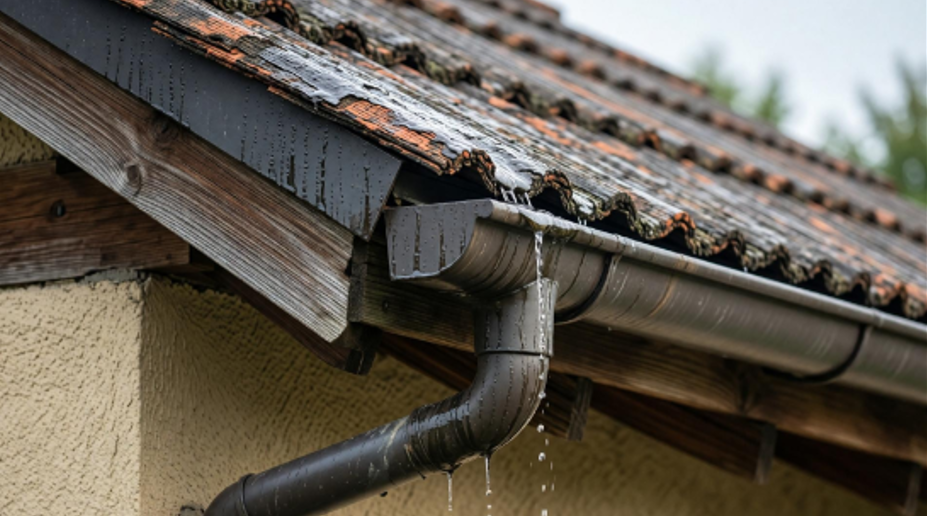
Gutter Installation mistakes that lead to leaks are a common cause of water damage in homes. At USA Home Services Pro, we provide expert gutter installation work to prevent these problems. Many leaks happen because gutters are installed with the wrong slope, poorly sealed joints, or loose fasteners. Water escaping the system can damage walls, foundations, and wood surfaces over time. Our team ensures every gutter we install directs water safely away from your home, protecting it from costly damage.
Gutter installation mistakes that lead to leaks are a major cause of water damage in homes. Gutters guide rainwater away from your roof and foundation. When they are installed the wrong way, water escapes the system. That water then moves into places where it should not go. Over time, this causes wood rot, mold growth, and wall damage. Many homeowners blame old gutters, but poor installation is often the real issue.
Why Gutter Installation Matters More Than Most People Think?
Gutters control how rain leaves your roof. If water flows the wrong way, damage starts fast. Even small errors can send water behind siding or into wall gaps. Once moisture gets inside, repairs become expensive.
A gutter system must work as one unit. Every part affects how water moves. When one part fails, leaks follow. Proper installation helps protect your roof, walls, and foundation. Good gutters are not just about looks. They protect your home every time it rains.
Gutters Installed Without the Right Slope
Gutters need a slight slope so water moves toward the downspouts. When the slope is too flat, water stays inside the gutter. When it is too steep, water rushes past the outlet.
Standing water adds weight. That weight causes sagging over time. It also weakens joints and seal points. During cold weather, trapped water can freeze and split seams. Slope errors are easy to miss but cause long-term leaks.
Poorly Sealed Joints and End Caps
Every gutter system has joints or end caps. These spots must be sealed tight. When sealant is applied wrong, water finds small gaps. Some installers use cheap sealant. Others rush the job. As temperatures change, weak sealant dries and cracks. Once that happens, leaks form during every rain. Seamless gutters help reduce joints, but end caps still need care.
Fasteners Placed Too Far Apart
Fasteners hold gutters against the fascia board. When they are spaced too far apart, gutters start to pull away. As the gutter shifts, gaps form behind it. Water then flows straight onto wood instead of into the gutter. Over time, this causes rot and paint damage. Loose gutters also change slope, which makes drainage worse.
Using Gutters That Are Too Small
Gutters must match roof size and rain levels. When gutters are too small, they cannot handle heavy rain. Water spills over the sides. Overflow may not look like a leak, but it causes the same damage. Water runs down walls and pools near the base of the home. Homes with large roofs need wider gutters and larger downspouts.
Downspouts Installed in the Wrong Places
Downspouts move water out of the gutter system. When there are too few, water backs up inside the gutter. This backup adds pressure at joints and seams. Over time, those weak spots open and leak. Poor downspout placement also causes gutters to sag. Water should exit the system quickly and move away from the home.
Gutters Attached to Weak or Rotted Fascia
Gutters should only be attached to solid wood. When fascia boards are soft or rotted, fasteners will not hold. As the wood breaks down, gutters pull away from the house. This creates space where water flows behind the gutter. Before installing gutters, fascia boards should always be checked and repaired.
Missing or Incorrect Drip Edge
A drip edge directs water from the roof into the gutter. Without it, water runs behind the gutter instead. This causes rot along the roof edge and fascia. Because the damage stays hidden, it often goes unnoticed for years. A proper drip edge helps guide water into the gutter where it belongs.
Gutters Installed Too High or Too Low
Gutter height matters more than many people realize. If gutters sit too high, water skips over them. If they sit too low, water runs behind them. Both problems lead to leaks and wood damage. Incorrect height also raises the risk of ice damage in cold weather. Proper placement helps catch water during light and heavy rain.
Low-Quality Materials Used During Installation
Thin metal bends easily. Weak fasteners loosen fast. Poor sealant fails early. Low-grade materials do not last long. As materials break down, leaks form even if the system was installed well. Cheap materials often lead to higher repair costs later. Quality parts help gutters hold their shape and seal better.
No Water Test After Installation
Some installers skip water testing. This is a big mistake. Testing shows how water flows through the system. A simple hose test can reveal slope issues and small leaks. Without testing, problems stay hidden until damage appears. Every gutter system should be tested before the job is finished.
Signs Leaks Are Caused by Installation Mistakes
Water stains on siding often point to gutter issues. Peeling paint near the roof edge is another sign. Soil erosion near the home also matters. Inside the home, ceiling stains near outer walls can appear. Musty smells may develop near corners or closets. These signs should never be ignored.
How to Avoid Gutter Installation Mistakes?
Proper planning prevents most gutter problems. Measurements must be accurate. Slope must be checked. Materials should match the home. If you hire a contractor, ask about fastener spacing and water testing. These details show whether the work is done right. Regular checks help catch small issues early.

Final Thoughts
Most gutter leaks are caused by installation mistakes, not age or storms. Small errors let water escape and damage your home over time. Understanding these mistakes helps you make better choices. A properly installed gutter system protects your roof, walls, and foundation. Fixing problems early saves money and prevents stress later.
”Don’t let small gutter mistakes turn into costly leaks. Contact USA Home Services Pro today for expert gutter installation and leak prevention you can trust.”
FAQ’s
Q. Can new gutters still leak?
Ans. Yes. New gutters can leak if they are installed the wrong way. Even brand-new materials fail when slope, joints, or spacing are incorrect.
Q. How much slope should gutters have?
Ans. Gutters should slope about one quarter inch for every ten feet. This allows water to flow without pooling or rushing too fast.
Q. Do gutter leaks damage the foundation?
Ans. Yes. Leaking or overflowing gutters let water pool near the home. Over time, this can weaken soil and cause foundation cracks.
Q. Should gutters be tested after installation?
Ans. Yes. A water test should always be done. It shows drainage issues and small leaks before real rain causes damage.
Q. Can I fix gutter installation mistakes myself?
Ans. Small issues like loose fasteners may be fixed by homeowners. Slope problems and poor placement often need professional correction.