

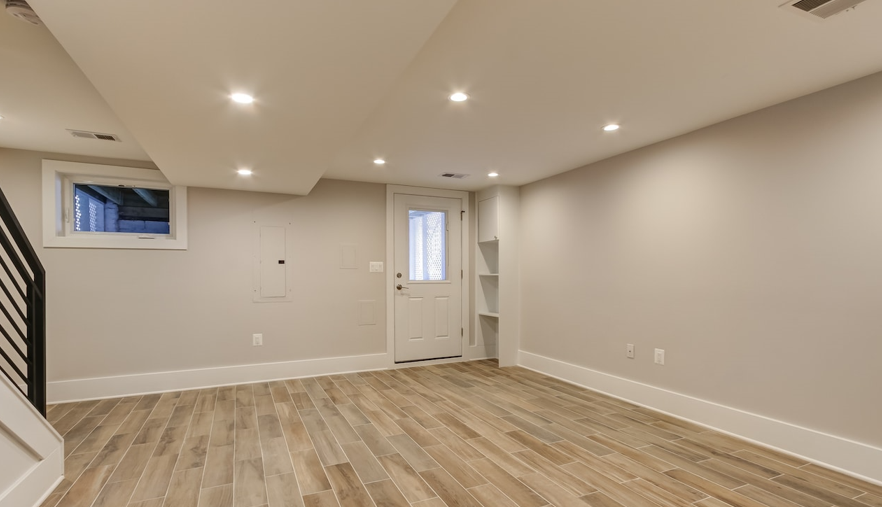
USA Home Services Pro helps homeowners understand what goes into new floors. Costs depend on materials, labor, and the condition of the subfloor. Hardwood and tile last longer but cost more. Laminate, vinyl, and carpet are cheaper but wear faster. Our teams handles prep, measurement, and installation to give strong, level floors.
Understanding Flooring Costs makes home upgrades easier. The total depends on the type of material, labor charges, subfloor work, and room size. Hardwood and tile are expensive but durable. Laminate, vinyl, and carpet cost less but may need replacing sooner. Labor and prep work can raise costs if the space is uneven or complex. Measuring correctly and choosing the right material for each room keeps costs clear and predictable. Good planning ensures floors that last and look good.
What Affects Flooring Costs?
Flooring costs depend on more than material price. Labor, subfloor condition, and room layout all matter. Uneven or damaged floors need repair before installation. That adds cost. Larger rooms use more material, but oddly shaped rooms create waste. High-quality materials cost more than budget options. Knowing these factors helps you plan and avoid extra charges.
Hardwood Flooring Costs
Hardwood is a durable and stylish choice. Oak and maple are common and less expensive. Exotic woods cost more. Solid hardwood costs more than engineered. Labor is a large part of the total because installation is detailed. Hardwood lasts for decades if cared for. It can increase home value. Refinishing is cheaper than replacing and extends lifespan.
Engineered Hardwood
Engineered hardwood has layers of wood pressed together. It costs less than solid wood. It handles moisture better and works in kitchens or basements. Installation is simpler, lowering labor cost. It looks like solid wood, but durability depends on quality. Maintenance is easy. Engineered wood adds some value and lasts long when cared for.
Laminate Flooring Costs
Laminate is a budget-friendly choice. It imitates wood or stone with synthetic layers. Material costs are lower than real wood. Installation is simple and fast, reducing labor cost. Laminate is durable but cannot be refinished like hardwood. It works well in bedrooms, living rooms, and areas with moderate traffic. Quality laminate lasts longer and looks more like real wood.
Vinyl Flooring Costs
Vinyl is affordable and versatile. Luxury vinyl plank (LVP) and tile (LVT) look like wood or stone. Vinyl resists water, making it ideal for kitchens, bathrooms, and basements. Installation is quick, which lowers labor cost. It feels soft underfoot and needs little maintenance. Vinyl lasts many years and is practical for busy households.
Tile Flooring Costs
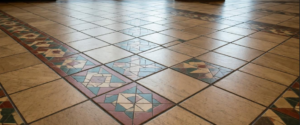
The tile is durable and water-resistant. Ceramic is cheapest, porcelain costs more, and natural stone is the most expensive. Installation requires skill and time, so labor cost is high. The tile lasts decades if installed properly. Maintenance is simple, usually cleaning only. Tile is ideal for bathrooms, kitchens, and entryways. High-quality tile lasts longer and looks better.
Carpet Flooring Costs
Carpet is soft and warm. Synthetic carpet costs less than wool. Installation is quick, reducing labor cost. Carpet wears faster than hard surfaces and may need replacing sooner. Padding affects comfort and price. Carpet is common in bedrooms and living areas. Regular cleaning keeps it looking good. It is affordable, comfortable, and easy to install.
Labor Costs
Labor is a major part of flooring costs. Skilled installers charge more, but work lasts longer. Cheap labor can cause mistakes, which cost more to fix. Complex layouts, stairs, and corners increase labor. Multiple quotes help you compare costs. Good installation ensures the floor fits well, lasts longer, and looks better.
Subfloor Preparation
Subfloor matters. Uneven or damaged subfloors must be fixed. Moisture issues also need attention. Repairs may include leveling, adding plywood, or moisture barriers. These steps raise cost but prevent problems. Proper subfloor prep ensures flooring lasts and looks right. Fixing subfloor issues before installation saves money long-term.
Room Size and Layout
Room size affects cost. Larger rooms use more material but may waste less. Small rooms with corners, closets, or stairs increase waste and labor. Plan for 5-10% extra material. Accurate measurements reduce mistakes, save money, and avoid delays.
Long-Term Value
Consider long-term costs. Hardwood can be refinished. Laminate and vinyl last years with little care. The tile lasts decades with simple maintenance. The carpet may need replacing sooner. Comparing upfront cost with durability helps pick the best flooring. Choosing cheap options that wear out quickly often costs more over time.
Budgeting Flooring Costs
Measure your space. Decide where to spend more for durability and style. High-traffic areas need stronger materials. Request detailed quotes showing material, labor, and prep. Keep a small fund for unexpected costs. Planning this way helps you control total expenses and avoid surprises.
Choosing the Right Flooring
Match flooring to room use. Bedrooms may use carpet. Kitchens and bathrooms need water-resistant floors. Living areas often use wood, laminate, or vinyl. Consider comfort, durability, and cost. Pick a mix that fits your needs and budget. Think long-term to avoid frequent replacements.
Flooring costs are clear once you know what affects them. Material, labor, subfloor, and room layout all matter. Planning and proper installation save money. Understanding costs helps you pick the right floor for style, comfort, and value. Smart choices make your home look good and last longer.
”Discover the cost breakdown for every type of flooring and find the perfect fit for your home. Let USA Home Services Pro guide you with expert advice, quality materials, and professional installation.”
FAQ’s
Q.What really makes flooring costs go up or down?
Ans. A few things matter most: the flooring material you choose, how big the space is, and how much prep work is needed. Labor costs, removing old floors, and fixing uneven surfaces can also change the final price.
Q. Does the room type affect flooring costs?
Ans. Yes, absolutely. Bathrooms and kitchens usually cost more because they need moisture protection and careful installation. Bedrooms and living rooms are simpler and cheaper.
Q. Can old flooring removal increase costs?
Ans. Yes. Removing old floors adds extra labor charges.
Q. Do stairs cost more to floor?
Ans. Yes. Stairs need extra cutting and time.
Q. Is laminate cheaper than hardwood?
Ans. Yes. Laminate costs much less than real wood.
Q. Does tile flooring cost more to install?
Ans. Yes. Tile installation needs more labor.
Q. Can I mix flooring types to save money?
Ans. Yes. Use premium flooring only in key areas.