

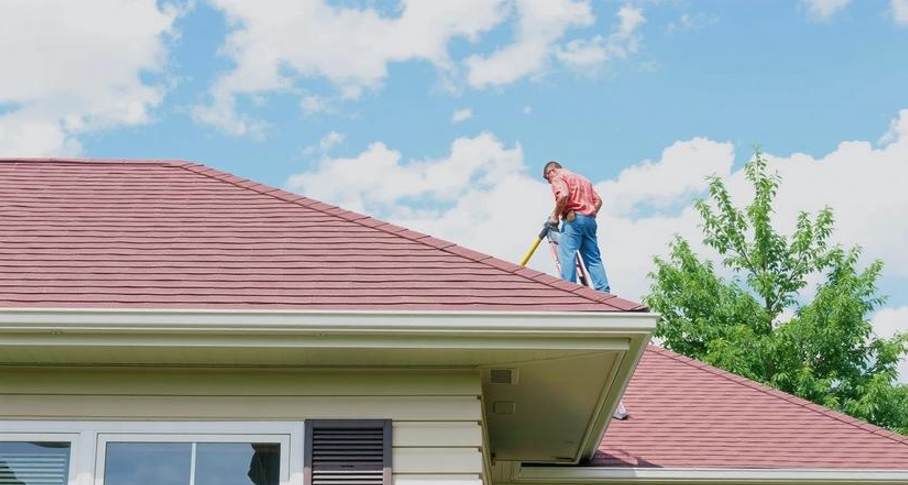
When homeowners need dependable roofing support, USA Home Services Pro delivers trusted solutions backed by experience and professionalism. Our team understands how small roofing issues turn into major problems if ignored. That’s why we focus on thorough inspections, clear communication, and long-lasting repairs. From routine maintenance to full roof replacements, every job is handled with care, safety, and attention to detail. Homeowners rely on us for honest advice, skilled workmanship, and results that protect their homes year after year.
Your roof protects everything beneath it. Yet many homeowners unknowingly shorten its lifespan through avoidable errors. Understanding common roofing mistakes helps you prevent costly repairs, structural damage, and safety risks. A roof may look simple from the outside. However, it is a system that relies on correct materials, skilled installation, and regular care. When one part fails, the whole structure suffers. This guide explains the most frequent roofing mistakes homeowners make and shows how to avoid them with practical, expert-backed advice.
1. Ignoring Small Roof Problems Until They Grow
One of the biggest mistakes homeowners make is delaying repairs. A small leak may seem harmless at first. However, water rarely stays in one place. It travels through insulation, wood framing, and ceilings. As a result, minor issues often become major structural problems.
Many homeowners wait until visible damage appears indoors. By then, mold may already be present. Rot may have weakened roof decking. Repair costs rise quickly in these situations. Early action, on the other hand, limits damage and protects your investment.
Regular visual checks help catch problems early. Look for missing shingles, cracked flashing, or dark patches. After storms, inspections are especially important. While some issues are easy to spot, others remain hidden. Therefore, professional inspections are recommended at least once a year.
2. Choosing the Wrong Roofing Materials
Not all roofing materials perform the same way in every climate. Choosing materials based on price alone is a costly mistake. Asphalt shingles, metal panels, tiles, and wood shakes all behave differently under heat, cold, wind, and moisture.
For example, dark shingles absorb heat. In hot climates, this increases attic temperatures and energy costs. In contrast, metal roofing reflects sunlight and lasts longer in extreme weather. However, it may not suit every structure or budget.
Roof pitch also matters. Some materials fail on low-slope roofs. Others require specific underlayment systems. When materials are mismatched, premature failure is likely.
Homeowners should consider climate, roof design, local codes, and long-term costs. Consulting a roofing professional ensures materials are suitable and installed correctly.
3. Poor Roof Ventilation Planning
Roof ventilation is often misunderstood. Many homeowners assume more ventilation is always better. However, improper ventilation causes serious issues. When airflow is unbalanced, moisture becomes trapped inside the attic. Over time, this leads to mold growth and wood decay. In winter, poor ventilation contributes to ice dams. In summer, heat buildup damages shingles and increases cooling costs.
Ventilation systems must work together. Intake vents and exhaust vents should be properly sized and positioned. Ridge vents, soffit vents, and gable vents each serve a purpose. When installed incorrectly, they cancel each other out.
A roofing professional calculates ventilation needs based on attic size and roof structure. This approach prevents moisture problems while improving energy efficiency.
4. Skipping Regular Roof Maintenance
Many homeowners treat roofs as “install and forget” systems. Unfortunately, this mindset leads to early roof failure. Roofs face constant exposure to sun, rain, wind, and debris. Without maintenance, damage accumulates unnoticed. Leaves and branches often clog gutters. When water cannot drain properly, it backs up under shingles. Flashing around chimneys and vents also loosens over time. If ignored, these weak points become leak sources.
Simple maintenance tasks extend roof life. Gutters should be cleaned regularly. Debris should be removed after storms. Sealants and flashing should be checked periodically. While some tasks are manageable, professional maintenance provides deeper inspection. Small repairs made early prevent expensive replacements later.
5. Attempting DIY Roof Repairs Without Experience
DIY repairs appeal to homeowners looking to save money. However, roofing work is risky and technically demanding. Many homeowners underestimate the complexity involved. Improper repairs often worsen the problem. Incorrect nail placement, mismatched shingles, or poor sealing leads to leaks. Additionally, walking on the roof incorrectly damages shingles and voids warranties.
Safety is another major concern. Falls from roofs cause serious injuries every year. Without proper equipment and training, the risk is high. Professional roofers follow safety standards and manufacturer guidelines. Their experience allows them to identify hidden issues and apply correct solutions. While DIY may seem cheaper initially, professional repairs save money in the long run.
6. Hiring Unqualified or Unlicensed Contractors
Choosing a contractor based solely on low price is a common mistake. Unqualified roofers often cut corners. Materials may be substandard. Installation errors are frequent. In many cases, warranties are invalidated. Some homeowners skip verifying licenses and insurance. This exposes them to liability if accidents occur. Additionally, poor workmanship may not be covered by insurance claims later.
Reputable contractors provide written estimates, references, and warranties. They follow local building codes and manufacturer requirements. While quality work costs more upfront, it prevents repeat repairs and legal issues. Before hiring, homeowners should research credentials, read reviews, and ask detailed questions. Trustworthy professionals welcome transparency.
7. Neglecting Flashing and Roof Penetrations
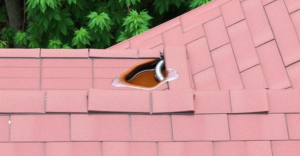
Flashing protects vulnerable areas where the roof meets walls, chimneys, and vents. Despite its importance, flashing is often overlooked. Many leaks originate from poorly installed or aging flashing. Metal flashing expands and contracts with temperature changes. Over time, it loosens or corrodes. Sealants also degrade. When flashing fails, water enters the structure silently.
During roof replacement, flashing should be inspected and replaced if necessary. Reusing old flashing is risky. Proper installation techniques ensure water is directed away from openings. Regular inspections focus on these areas. Addressing flashing issues early prevents interior damage and mold growth.
Why Avoiding These Mistakes Matters
Roofing mistakes affect more than appearance. They compromise safety, energy efficiency, and home value. Water damage spreads quickly and invisibly. Structural repairs become expensive when problems are ignored. By avoiding these errors, homeowners protect their investment and reduce stress. A well-maintained roof performs better and lasts longer. It also improves comfort and resale value.
Education plays a key role. Understanding how roofing systems work helps homeowners make informed decisions. Professional guidance adds another layer of protection.
Expert Tips for Long-Lasting Roof Performance
-
Schedule annual professional inspections
-
Address small issues immediately
-
Use materials designed for your climate
-
Maintain proper attic ventilation
-
Keep gutters clean and functional
-
Hire licensed and insured contractors
-
Document all repairs and maintenance
These habits prevent damage and extend roof lifespan significantly.
Final Thoughts
Roofing problems rarely fix themselves. Most damage results from preventable errors made over time. By understanding and avoiding these common roofing mistakes, homeowners reduce costs and protect their homes. Regular care, informed choices, and professional support make a lasting difference.
 ”Protect your home and investment. Contact USA Home Services Pro today for expert roofing inspections and professional services.”
FAQ’s
Q. How often should a roof be inspected?
Ans. A roof should be inspected at least once a year. Inspections are also recommended after major storms.
Q.Can minor leaks be safely ignored?
Ans. No. Even small leaks can cause hidden structural damage. Early repairs prevent larger problems.
Q.Is roof replacement always necessary after damage?
Ans. Not always. Many issues can be repaired if caught early. Professional evaluation is required.
Q.Does ventilation really affect roof life?
Ans.Yes. Poor ventilation causes heat and moisture buildup, which shortens roof lifespan.
Q. Are roofing warranties affected by DIY repairs?
Ans. Often, yes. Improper repairs may void manufacturer warranties.